Food and Mental Health: Extra Daily Fruit Linked to 13% Lower Teen Depression Risk, Study Finds

Warm watercolor illustration of a sunny breakfast table with a bowl of fresh fruit, a glass of water, and a notebook by a window overlooking rolling hills, visualising the link between food and mental health

Food and Mental Health: An Extra Serve of Fruit a Day Linked to 13% Lower Depression Risk in Teens Reviewed by a Psychology Postgraduate (MA) Does food affect mental health? The short answer is yes — partly. A 2026 study of 6,537 teenagers found each extra daily serve of fruit linked to 13 percent lower … Read more

Psilocybin Inflammation Study: JAMA Psychiatry Finds Lower Inflammation After Two Doses — What It Means for the Mind-Body Link

Warm dawn-landscape illustration of a large mushroom silhouette with a glowing neural network rising from it, visualising the psilocybin inflammation study

Psilocybin Inflammation Study: Two Doses Lowered Blood Inflammation in 12 Patients, JAMA Psychiatry Reports Reviewed by a Psychology Postgraduate (MA) A small new study on psilocybin inflammation suggests the answer is yes — with major caveats. Twelve patients who took two guided psilocybin sessions showed lower blood markers of inflammation one day later, and the … Read more

The Psychology of Taylor Swift: Reinvention, Narrative Identity, and the Strongest Fandom on Earth

Silhouette of a lone performer on a dark stage as colored light shifts through the hues of different musical eras, a symbolic image for Taylor Swift psychology and the art of reinvention

Reviewed by a Psychology Postgraduate (MA) On October 24, 2026, Taylor Swift’s self-titled debut album turns twenty years old. Most artists who start at sixteen are a trivia question by thirty-six. Swift is instead coming off a September in which she collected the inaugural Artist Director Honors at the MTV Video Music Awards, released an … Read more

Circadian Depression: Scientists Identify a “Body-Clock Depression” Affecting 1 in 4 People

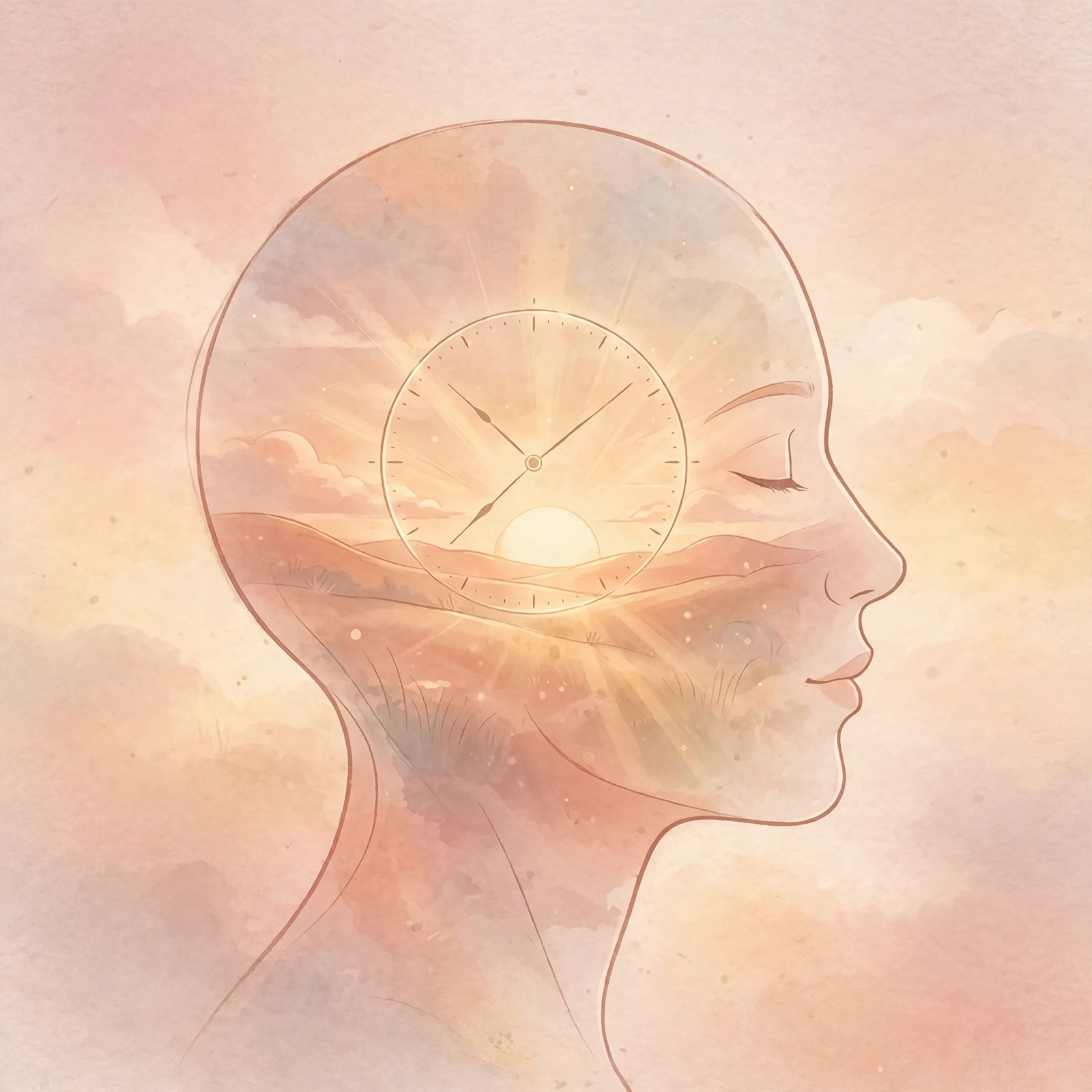
Illustration of a human head in profile with a sunrise clock motif, visualising circadian depression

Circadian Depression: Scientists Identify a “Body-Clock Depression” Affecting 1 in 4 People Reviewed by a Psychology Postgraduate (MA) The short answer: Circadian depression is a newly identified depression subtype in which a person’s internal body clock appears to drive the illness. A 2026 British Journal of Psychiatry study of more than 10,000 people with depression … Read more

The 5-4-3-2-1 Grounding Technique: How It Calms Anxiety Fast, According to Psychology

Illustration of a calm seated person noticing their senses, hand touching leaves, a warm cup of tea, visualising the 5-4-3-2-1 grounding technique

Reviewed by a Psychology Postgraduate (MA) You are standing in the cereal aisle when it hits — tightness in your chest, thoughts racing ahead to the deadline, the unread messages, the bill you forgot. Your breathing goes shallow. Nobody around you notices, but inside, your mind is sprinting. This is the moment the 5-4-3-2-1 grounding … Read more

Dopamine Detox: Does It Work? What the Science Actually Says

Illustration of a person stepping away from glowing phone and laptop screens into a calm sunrise landscape, visualising a dopamine detox

Dopamine Detox: Does It Work? What the Science Actually Says Reviewed by a Psychology Postgraduate (MA) The short answer: A dopamine detox is a planned break from high-stimulation habits — social media scrolling, binge-watching, nonstop notifications — so your attention and reward system can recalibrate. The science says you cannot literally “drain and refill” dopamine, … Read more