The 5 Love Languages, Explained: What They Are and How to Find Yours

Painterly illustration of a couple at a kitchen table at dawn, one handing the other a mug of tea, warm soft light, illustrating the 5 love languages

Reviewed by a Psychology Postgraduate (MA) She plans a surprise weekend trip for their anniversary — flights, restaurant, every detail handled. He barely reacts. Later that week, he stays up late helping her finish a stressful work project. She barely notices. They love each other. They are both trying hard. And somehow, they both feel … Read more


How to Get Over a Breakup: 9 Things That Actually Help

Painterly illustration of a person walking alone along a dawn beach path carrying a small box, hopeful warm light ahead, on getting over a breakup

Reviewed by a Psychology Postgraduate (MA) The texts stopped — or changed: shorter now, colder, the warmth gone. Either way, you are lying awake at 2 a.m. replaying the last conversation, wondering what you did wrong, feeling something with no name. It is not just sadness. It is a specific, physical ache, like grief with … Read more

Gaslighting: 25 Phrases Gaslighters Use (with Real Examples)

Young woman at a kitchen table at dusk with a worried expression, questioning what was just said — the kind of doubt gaslighting phrases can plant

Reviewed by a Psychology Postgraduate (MA) In short: Gaslighting phrases are scripted lines — “That never happened,” “You’re overreacting,” “It was just a joke” — that deny, deflect, or trivialize your reality until you doubt your own memory and judgment. They work as a pattern, not one-liners: denial attacks your memory, deflection attacks your character, … Read more

Disorganized Attachment Style: 12 Signs, Causes & How It Shows Up in Relationships

Two abstract figures in a push-pull dance with swirling currents, illustrating disorganized attachment

Reviewed by a Psychology Postgraduate (MA) In short: disorganized attachment style is a pattern in which a person both craves closeness and fears it at the same time, often leading to push-pull behaviour in relationships. It usually develops when early caregiving felt both comforting and frightening, so intimacy can feel unsafe even when it is … Read more

Anxious Attachment: Why You Overthink Every Text and Need Constant Reassurance

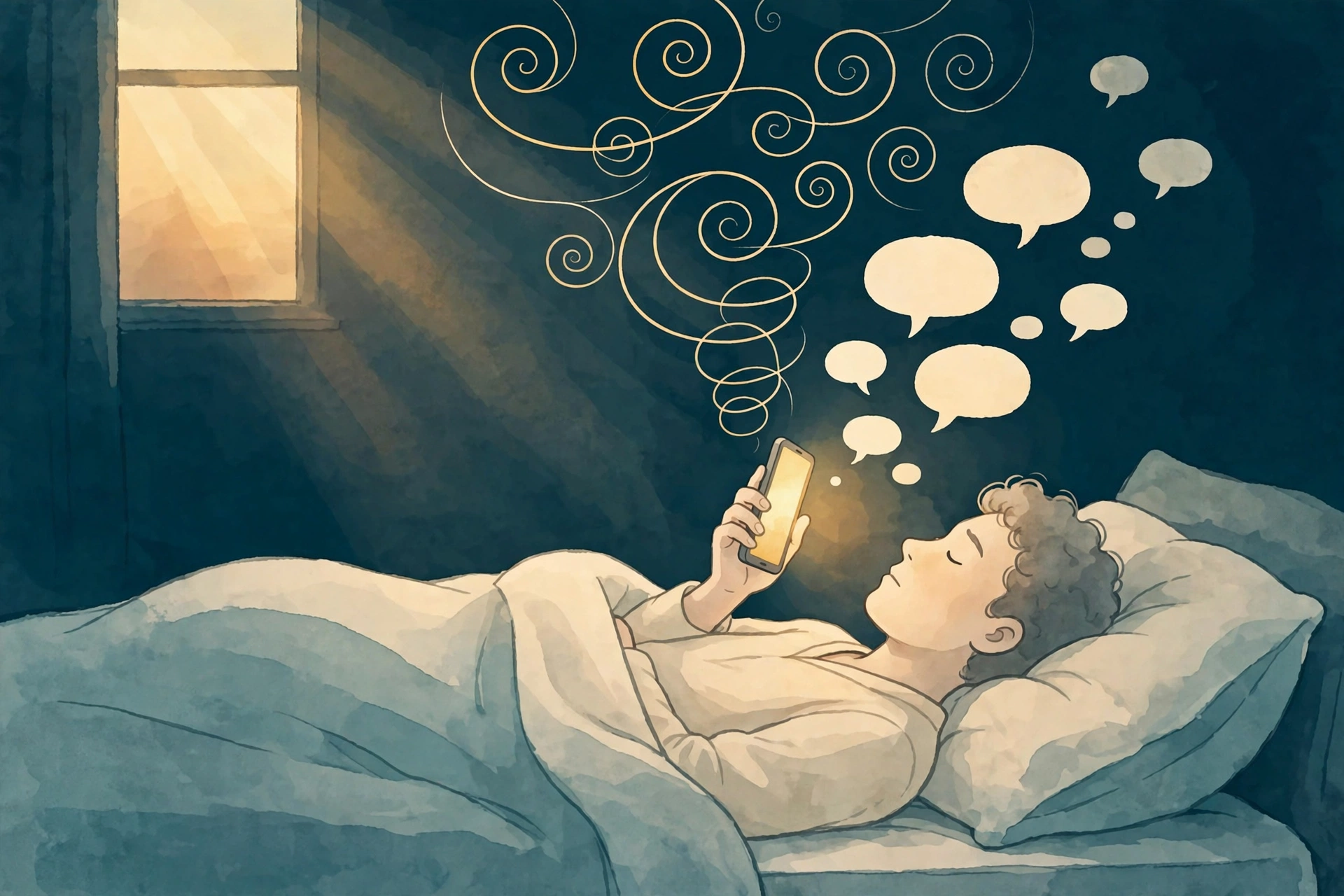
Person in bed at night lit by phone glow with thought spirals, illustrating anxious attachment and overthinking texts

Reviewed by a Psychology Postgraduate (MA) In short: anxious attachment in relationships keeps the attachment alarm on high alert, so a delayed reply or a brief message can feel like distance or rejection. The mind then fills the silence with worst-case stories, which fuels anxious attachment texting, repeated checking and reassurance seeking. It’s 9:47 PM. … Read more

How to Heal Anxious Attachment: 7 Psychology-Backed Steps Toward Secure Love

A mending glowing heart at sunrise over calm water, symbolizing healing anxious attachment

Reviewed by a Psychology Postgraduate (MA) In short: to learn how to heal anxious attachment, start by naming the alarm in real time, then calm yourself before seeking reassurance. Ask for needs directly, stop auditioning for love, widen your life beyond one relationship, and collect evidence against the story that you are too much. Earned … Read more

What Is My Attachment Style? The 4 Types Explained (With a Quiz)

What is my attachment style? Two abstract figures connected by a thread of light at dawn, illustrating attachment styles

Reviewed by a Psychology Postgraduate (MA) In short: what is my attachment style is the question of which of four patterns – secure, anxious, avoidant, or disorganized – best describes how you relate to closeness, reassurance, and independence. It reflects how you learned to expect care, handle distance, and respond when a relationship feels uncertain. … Read more