Why Mike Ditka’s Death Hits So Hard: The Psychology of Grieving Someone You Never Met

Empty football stadium at dawn with a single spotlight beam rising into a golden sunrise sky, a symbolic image of collective grief and remembrance after Mike Ditka's death

Why Mike Ditka’s Death Hits So Hard: The Psychology of Grieving Someone You Never Met Reviewed by a Psychology Postgraduate (MA) In short: Grieving Mike Ditka’s death — even though you never met him — is a normal psychological response. Parasocial relationships make your brain treat familiar public figures like real attachments; social identity theory … Read more



The Social Reckoning Is in Theaters Today — and the Psychology Behind It Is the Real Story

The Social Reckoning movie psychology - smartphone dissolving into light as people walk toward a sunrise

Reviewed by a Psychology Postgraduate (MA) In short: The Social Reckoning, Aaron Sorkin’s follow-up to The Social Network, dramatizes the Facebook Files — the leaked documents showing social platforms knew their algorithms amplified outrage and harmed teens. The psychology behind it is real: variable rewards, outrage engagement, and comparison loops keep us scrolling. Picture the … Read more

Intrusive Thoughts: Why Your Brain Thinks Terrible Things

Intrusive thoughts explained: storm clouds dissolving into birds flying toward dawn

Reviewed by a Psychology Postgraduate (MA) In short: Intrusive thoughts are unwanted, disturbing mental images or ideas that pop up uninvited. They do not reveal who you are — research shows nearly everyone gets them. They persist mainly when you fight them; noticing them without engaging lets them pass. You are driving home, and out … Read more

Moral OCD: When Your Conscience Won’t Shut Up

Moral OCD: a person sitting at a desk at night with head in hands, illustrating scrupulosity guilt

Reviewed by a Psychology Postgraduate (MA) In short: Moral OCD (also called scrupulosity) is when your moral compass becomes a source of torment — endless guilt, fear of being a bad person, and compulsive confessing or reassurance-seeking. The thoughts feel like character flaws, but they are symptoms of OCD’s threat system misfiring. You replayed a … Read more

The Winter Blues vs. Seasonal Depression: How to Tell

Winter blues vs seasonal depression: a large winter window showing gray snowy light contrasted with warm indoor light

Reviewed by a Psychology Postgraduate (MA) In short: The winter blues are a mild, short-lived dip in mood and energy that lifts as days lengthen; seasonal depression (SAD) is a clinical condition with persistent symptoms like hopelessness, oversleeping, and loss of interest. Duration, severity, and impact on daily life are what separate them. Every year … Read more

Light Therapy for Winter Depression: Does It Work?

Light therapy for winter depression: a bright SAD lamp glowing on a wooden desk

Reviewed by a Psychology Postgraduate (MA) In short: Light therapy — sitting near a bright SAD lamp for 20 to 30 minutes each morning — is one of the best-evidenced treatments for winter depression. It works by resetting your circadian rhythm and boosting serotonin. Most people notice improvement within one to two weeks of consistent … Read more

47. The Placebo Effect: The Power of Belief (It’s Real Medicine)

Illustration of the placebo effect: a pill releasing streams of healing light toward a person, showing how belief can create real physical change

A sugar pill. No active ingredient. And yet — pain *fades*, depression *lifts*, Parkinson’s *improves*. This isn’t *imagination*. It’s the **placebo effect**: *belief* triggering *real* neurochemistry. It’s so powerful that *new* drugs must *beat* it to be approved. Here’s how *expectation* becomes *biology*. What it means in one sentence: The **placebo effect** is *real* physiological … Read more

Hurricane Isaias Is Bearing Down on the Gulf Coast: Why the Waiting Feels Worse Than the Storm

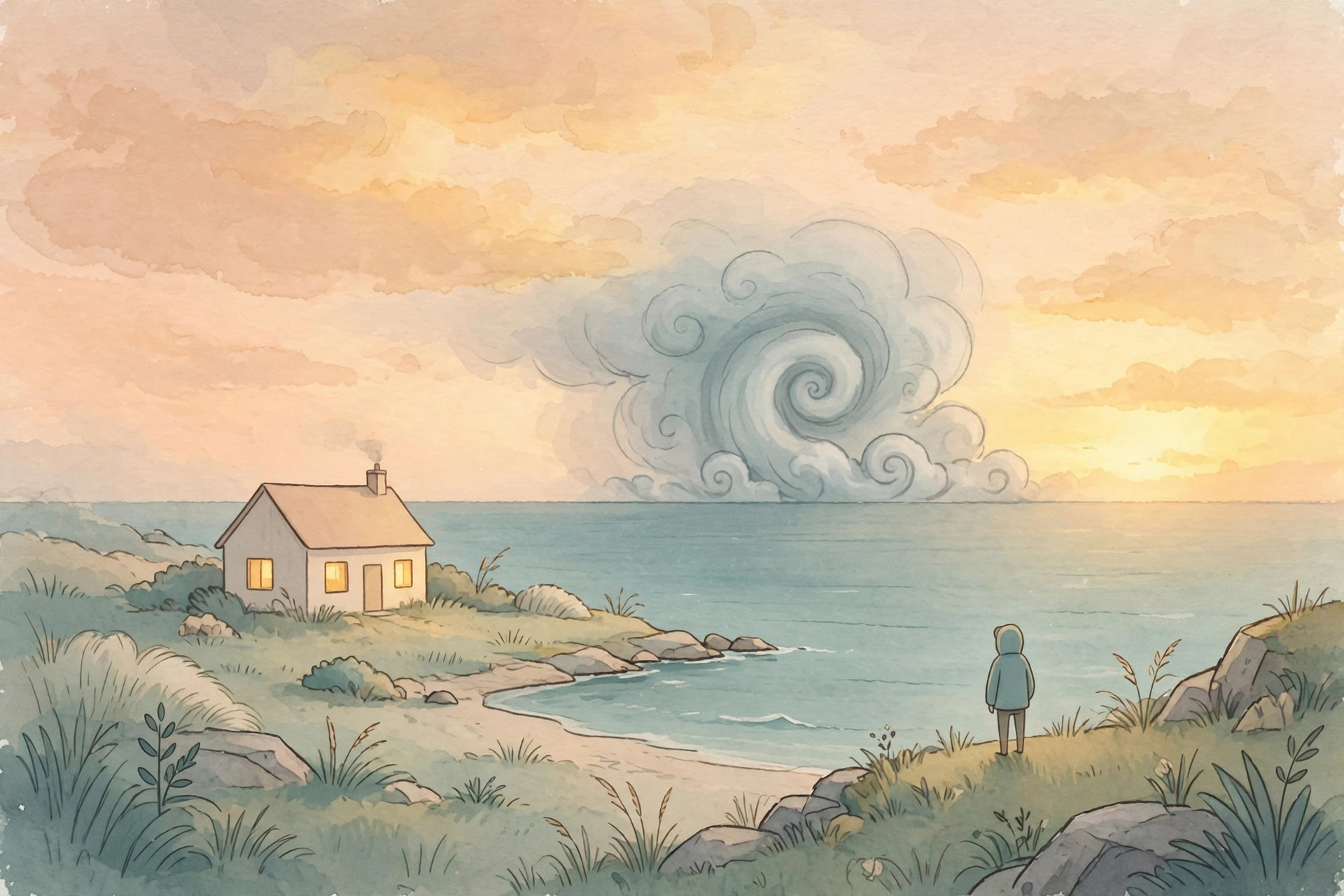
Hurricane anxiety: a calm house on a coastline at dawn with a hurricane spiral on the horizon

Reviewed by a Psychology Postgraduate (MA) In short: Hurricane anxiety peaks during the waiting, not the storm. Psychologists call it anticipatory anxiety: your brain runs endless what-if simulations with no outlet, which floods your body with stress hormones. The uncertainty of a hurricane watch keeps your threat system switched on longer than the storm itself … Read more

World Mental Health Day 2026: Why Being Heard Isn’t the Same as Being Helped

Two hands holding a glowing speech bubble at sunrise, symbolizing being heard on World Mental Health Day 2026

Reviewed by a Psychology Postgraduate (MA) Saturday, October 10 is World Mental Health Day. Every year it gets a theme, and this year’s is one worth sitting with: “Lived experiences heard: real voices, real change.” In plain language, the theme says this: people who have actually lived through mental-health struggles should be treated as experts. … Read more