50. Maslow’s Hierarchy: What Humans Really Need (And In What Order)

Illustration of Maslow's hierarchy of needs pyramid, from physiological needs at the base to self-actualization at the peak

Why can’t you *focus* on your dreams when you’re *hungry*? Why do *lonely* people struggle to *create*? **Abraham Maslow** (1943) proposed an *order*: humans must satisfy *basic* needs *before* pursuing *higher* ones. It’s the most *famous* theory in psychology — *oversimplified*, *criticized*, but *profoundly* useful. Here’s what it *really* says. What it means in one … Read more

48. Sleep and the Brain: Why You Need It (And What Happens Without)

Sleep and the brain — illustration of the brain sleeping under a night sky

You spend *one-third* of your life *unconscious*. Evolution *could* have eliminated sleep — it’s *dangerous* (predators!) and *unproductive*. But it *didn’t*. Because sleep isn’t *wasted* time. It’s when your brain *cleans*, *consolidates*, *repairs* — and *without* it, you *literally* go insane. Here’s what sleep *does*. What it means in one sentence: **Sleep** is an *active* … Read more

47. The Placebo Effect: The Power of Belief (It’s Real Medicine)

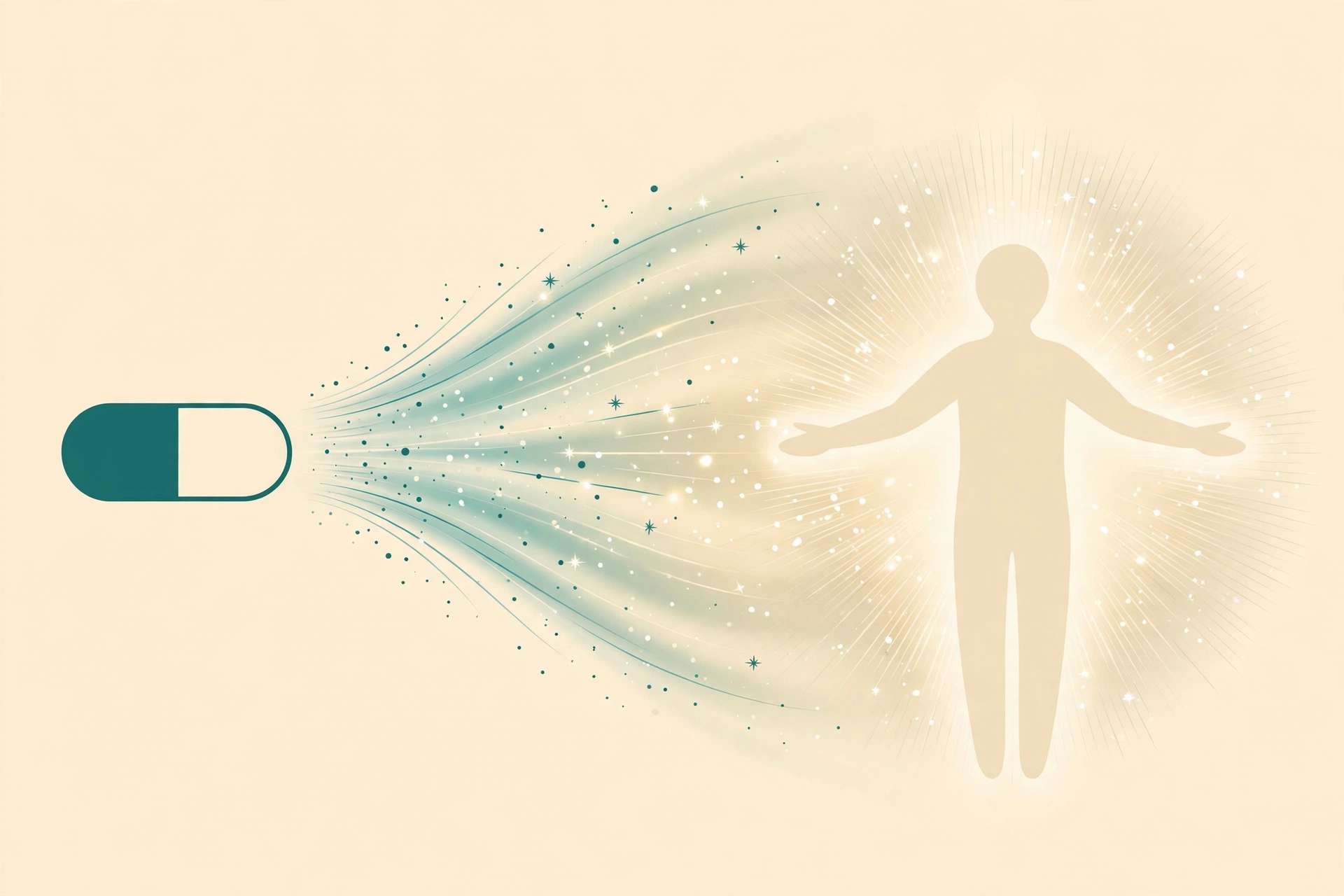
Illustration of the placebo effect: a pill releasing streams of healing light toward a person, showing how belief can create real physical change

A sugar pill. No active ingredient. And yet — pain *fades*, depression *lifts*, Parkinson’s *improves*. This isn’t *imagination*. It’s the **placebo effect**: *belief* triggering *real* neurochemistry. It’s so powerful that *new* drugs must *beat* it to be approved. Here’s how *expectation* becomes *biology*. What it means in one sentence: The **placebo effect** is *real* physiological … Read more

42. Mindfulness: What It Actually Is (Beyond the Buzzword)

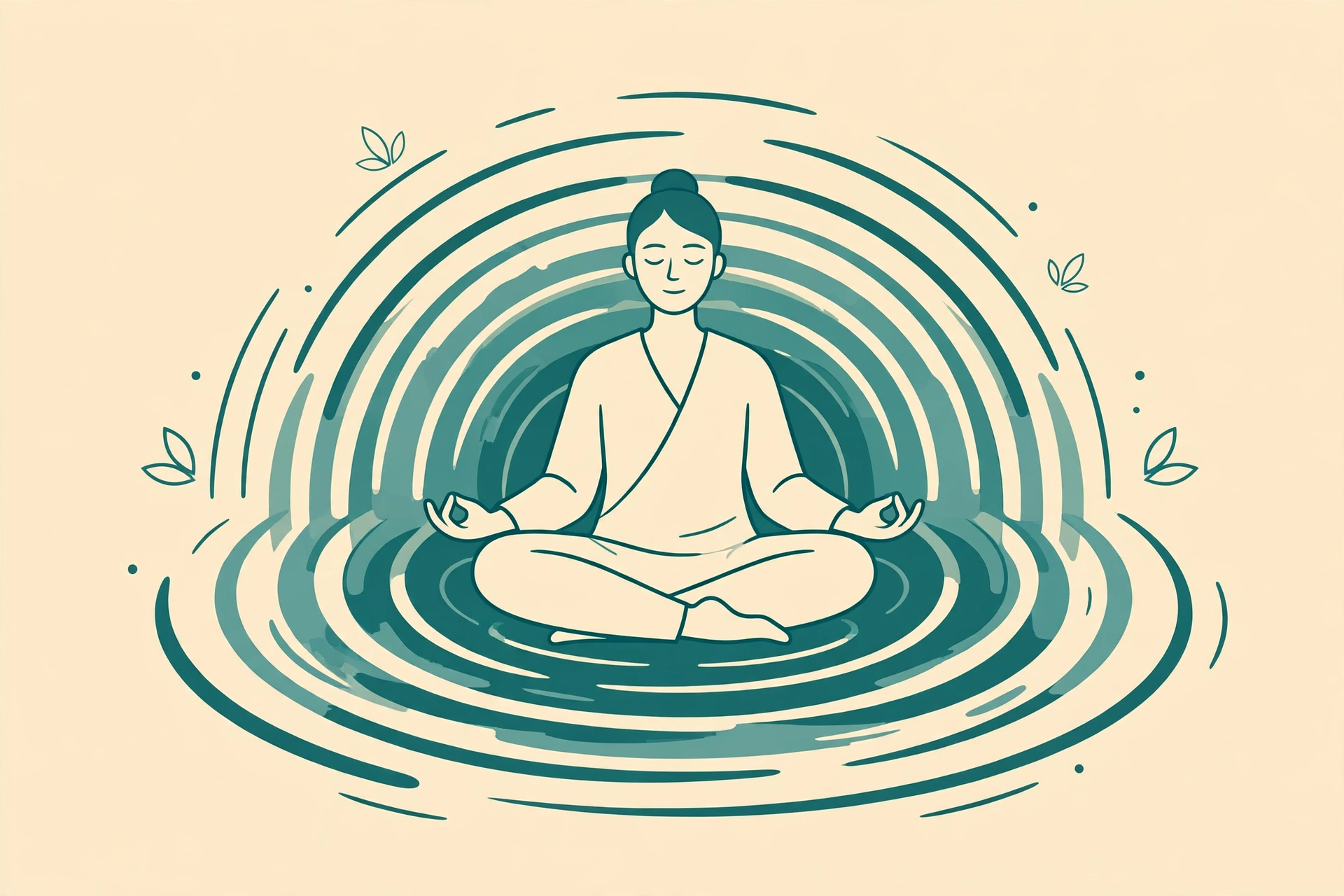
Illustration of mindfulness practice - calm present-moment awareness

“Mindfulness” is everywhere — apps, corporations, cereal boxes. It’s become *meaningless*. But beneath the buzzword is a *real*, *researched* psychological skill — with *measurable* brain changes. Here’s what mindfulness *actually* is, what it *does*, and how to *practice* it without the hype. What it means in one sentence: **Mindfulness** is *paying attention* to the present … Read more

41. Resilience: The Science of Bouncing Back

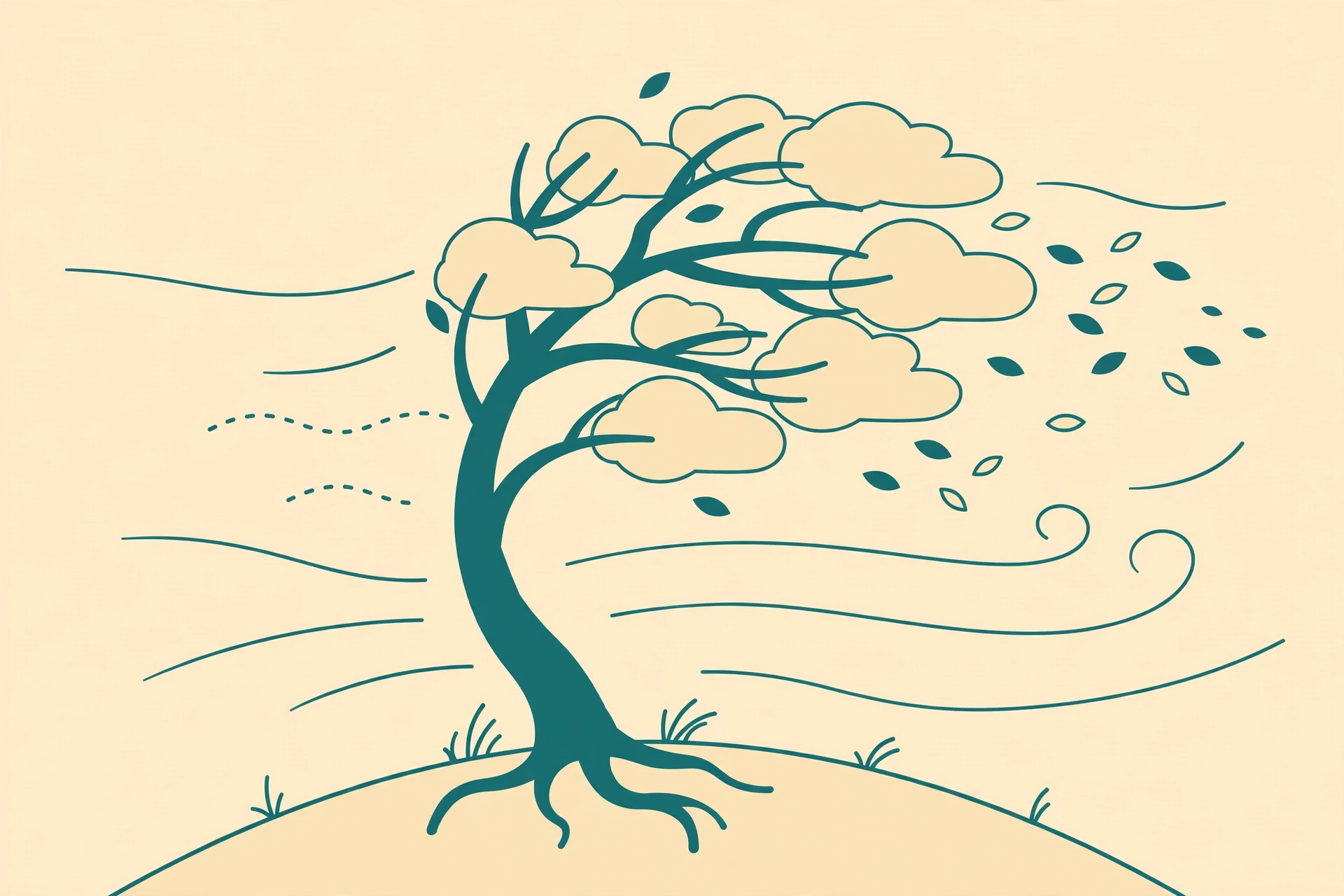
Illustration of resilience: a figure bouncing back upright after being knocked down, the science of bouncing back

Two people lose their jobs. One spirals for a year. The other grieves, adapts, rebuilds — stronger. Same event, different outcomes. The difference is resilience: not avoiding hardship, but recovering from it. And it’s not a trait you’re born with. It’s a set of skills — and they’re learnable. What it means in one sentence: … Read more

49. The Dunning-Kruger Effect: Why the Least Skilled Are Most Confident

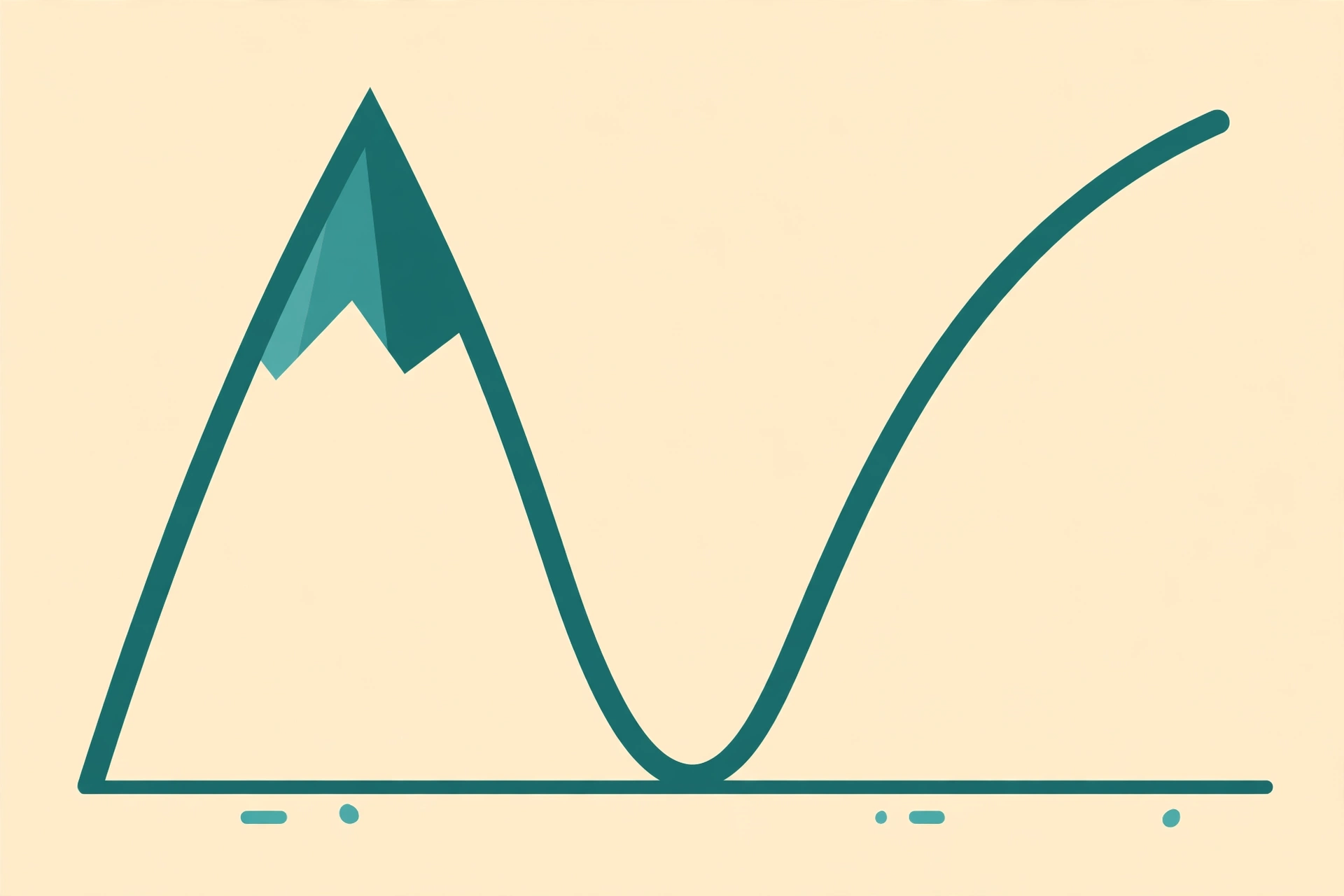
Illustration of the Dunning-Kruger effect: a small hill of false confidence dwarfing a mountain of real expertise

The worst performer is certain they’re brilliant. The expert is full of doubt. This isn’t arrogance — it’s the Dunning-Kruger effect: the less you know, the less you know you don’t know. It explains overconfident amateurs, disastrous DIY, and why meetings are full of certainty from the least informed. What it means in one sentence: … Read more

46. Why We Procrastinate (It’s Not Laziness)

Illustration of why we procrastinate: a person torn between a looming deadline and tempting distractions, it is not laziness

You know you should start. The deadline looms. And yet — you clean your room, scroll your phone, anything but the task. You’re not lazy. You’re not broken. You’re procrastinating — and it’s not a time problem. It’s an emotion problem. Here’s the science — and the actual fix. What it means in one sentence: … Read more

44. The Mind-Body Connection: How Thoughts Shape Health

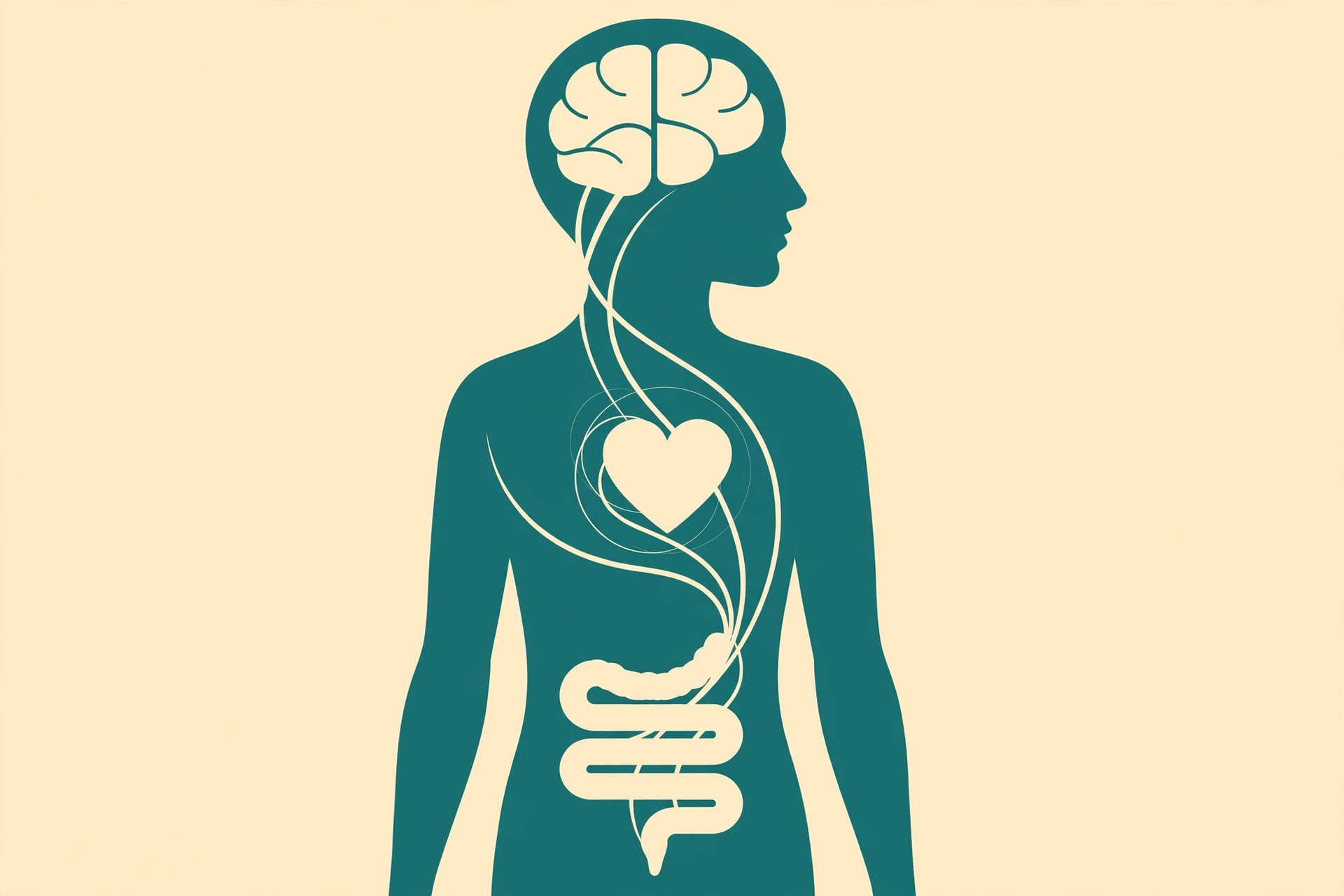
Illustration of the mind-body connection: thoughts flowing from the brain into the body, showing how mental states shape physical health

You’re nervous — stomach churns. You’re grieving — chest aches. You’re relaxed — pain fades. This isn’t imagination. It’s the mind-body connection: your thoughts and emotions physically shaping your body — via nerves, hormones, and immune signals. It’s not mystical. It’s mechanical. And you can use it. What it means in one sentence: The mind-body … Read more