
Paris Curfew: What France’s Night Curfews Do to the Mind
Reviewed by a Psychology Postgraduate (MA)
After rioting that began on October 17, 2026, much of urban France is living under curfew. In Paris, authorities imposed an 11pm-to-6am curfew around Place de la République and Les Halles — applying to adults and minors, extended through the morning of October 26 — with metro and RER stations serving both areas closing at 10pm at the prefecture’s request (Brussels Signal, October 23, 2026). The psychology of curfews matters because these measures are meant to calm a city, yet living under one can unsettle the mind in ways the order never intended.
Beyond the capital: Lyon is under overnight curfew orders; Marseille imposed an 11pm-to-5am curfew on the Saturday-to-Sunday and Sunday-to-Monday nights, also covering adults and minors; Denain ordered a stricter 9pm-to-6am curfew until October 25; Toulon restricted unaccompanied minors in the city center from 6pm Saturday to 6am Sunday; and Lille, Nice, Rouen, and Grenoble have curfews or gathering restrictions of their own. By October 22, Paris had spent a third straight night under curfew.
The government frames the curfews as prevention; critics, including yellow-vest activists and unions, call them collective punishment. They sit inside a wider security tightening: protest bans in several cities, the Louvre and other museums closed on October 24, and police numbers up roughly 20 percent. Whatever side of that debate you fall on, the psychological question stands on its own: what does being told you cannot go out at night actually do to the mind?
What do night curfews do to your mental state? Being ordered home after dark presses on three deep needs at once: control over your own choices, feeling safe at night, and keeping normal routines. Autonomy research — the self-determination theory of Edward Deci and Richard Ryan — shows that restrictions feel heavier when they seem unfair or imposed from above.
It helps to start with a clear definition: curfew anxiety is the low-grade mix of restlessness, vigilance, and dread that builds when an official order keeps you indoors after dark, even when you personally are not in direct danger.
What does the psychology of curfews tell us about autonomy?
Your brain treats a choice and an order very differently. Choosing to stay in protects your sense of agency; being told to stay in takes it away, and the loss of control is what stings.
Motivation psychology backs this up. Edward Deci and Richard Ryan’s self-determination theory holds that autonomy — the feeling that your actions are your own — is a core psychological need. When autonomy is thwarted, even minor inconveniences feel oppressive. A curfew is autonomy thwarted at scale.
Psychologist Jack Brehm called this reactance: the surge of resistance when a freedom is suddenly restricted. Under a citywide curfew, millions feel a low dose of it at once — one reason curfew nights feel so tense even inside quiet apartments.
Can a curfew make people more afraid instead of calmer?
Yes — this is the control paradox. A curfew meant to reassure also broadcasts an official message: it is dangerous enough out there that the state must lock the streets. That signal can amplify fear rather than dissolve it.
People take their cues about danger from authority: when the prefecture closes metro stations at 10pm and posts officers at the square, residents reasonably conclude the threat is serious. For someone already anxious after nights of rioting, the curfew can feel less like a blanket and more like confirmation that the worry was justified all along.
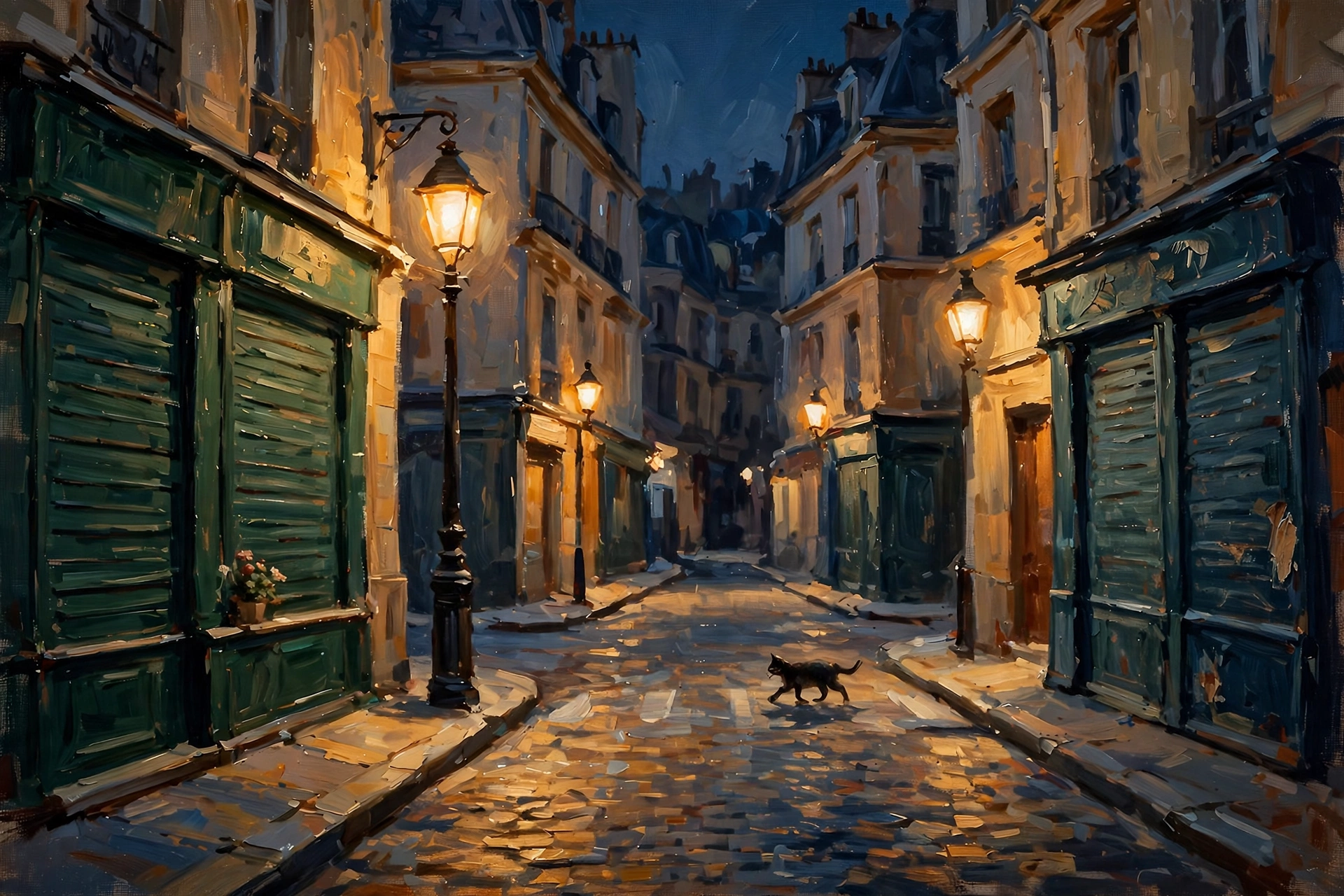
Then there is the eeriness of the empty street. Humans read safety from other people’s presence, so a normally lively boulevard — suddenly silent and patrolled — looks abnormal, and the brain treats abnormal as unsafe.
How do curfews affect children and teenagers?
Harder than many adults expect. Young people process rules through fairness, and an order that feels like punishment for someone else’s actions breeds resentment, secret defiance, or quiet withdrawal.
Take a familiar scene: a sixteen-year-old in Lyon is told on Friday afternoon that she cannot meet her friends that evening. Her first response is not fear of the riots — it is fury at the unfairness. “Why am I being punished?” That question is developmentally normal: adolescence is when the drive for independence peaks, and a blanket curfew lands directly on that tender spot.
Then there is the parent’s side of the same evening. Imagine a father in Marseille enforcing the minor curfew while privately anxious himself — about the streets, about his daughter’s anger, about whether he is overreacting. Children read parental tone more than parental words, and research on family conflict shows it is the emotional climate around rules, not the rules themselves, that shapes young people’s wellbeing.
Pause and ask yourself
If you lived under tonight’s curfew, what would you miss most — and what does that tell you about what you value?

Why does a nighttime restriction hit harder than a daytime one?
Because darkness already primes the brain for vigilance. Humans see poorly in the dark, so the mind turns up its alertness after sunset — and an official order to stay inside simply confirms what the nervous system was already whispering.
Ambiguous stimuli are judged as more threatening in darkness: a noise at noon is a delivery van, at midnight a question mark. A curfew borrows that ancient symbolism and stamps it with official authority.
Then come the small griefs: the cancelled dinner, the Friday football at the bar, the evening walk that clears your head. Routines regulate emotion quietly — psychologists call them behavioral anchors — and a curfew removes several at once, leaving a flat restlessness. Grief for normalcy is real grief, even in miniature.
How can families cope with life under curfew?
By separating the rule from the fear. The curfew is a logistical fact with a start time and an end date; the anxiety wrapped around it is weight you can learn to set down.
- Name the feeling honestly. Putting a precise word on an emotion measurably calms the brain’s threat response — the affect-labeling effect documented by Matthew Lieberman’s research. Say it out loud at the dinner table, and let kids hear adults doing it too.
- Keep daytime routines sacred. When evenings are restricted, mornings and afternoons carry more weight. Protect them: the same walk, the same breakfast, the same bedtime.
- Give kids a role, not just rules. Let the teenager plan the Friday night in — she picks the film, helps with dinner, invites a friend over before curfew hours. Participation converts “done to me” into “chosen by me,” dissolving much of the reactance.
- Separate the curfew from the fear in conversation. Say it out loud, especially for children: the curfew is a precaution, not a verdict. Precautions end; verdicts do not.
- Protect sleep. Keep phones out of bedrooms and the wind-down routine boring and predictable. Treat a racing mind at 1am as a symptom of the week, not a prophecy about the future.
Frequently asked questions
How long will the French curfews last?
As of October 23, 2026, Paris’s curfew runs through the morning of October 26 and Denain’s until October 25. Extensions are decided by local prefectures, so check official notices rather than rumors.
Is it normal to feel anxious under curfew even if I feel personally safe?
Yes. Curfew anxiety is not about your personal risk level; it is about lost autonomy, disrupted routine, and eerie empty streets. You can be safe and unsettled at the same time.
What exactly is curfew anxiety?
It is the low-grade mix of restlessness, vigilance, and dread that builds when an official order keeps you indoors after dark. It tends to peak in the first few nights and ease as the new routine becomes familiar.
How do I talk to my teenager about a curfew without a fight?
Acknowledge the unfairness first: agree it feels like punishment for someone else’s actions. That acknowledgment defuses reactance. Then hand over control where you can — let them design the evening and choose the food.
Can curfews actually make unrest worse?
That is the live debate in France. Psychologically, measures perceived as unfair can increase resentment — which is why how a curfew is communicated matters almost as much as the curfew itself.
Try it on our site
If the curfew nights have left you restless or on edge, these free tools can help you steady yourself:
- Wellness Tools — try Name Your Feeling or a guided relaxation exercise to wind down
- Mind Check-Ins — quick 60-second check-ins for anxiety, mood, and sleep
- Challenge the Thought — our interactive CBT tool for working through spiraling worries
Related reading: Why Do I Overthink at Night? The Psychology of 2am Thoughts and Seasonal Depression and the Fall Mood Dip: What the Research Says
Key Takeaways
- A curfew feels worse than staying in voluntarily because it removes autonomy — and autonomy is a core psychological need, not a luxury.
- Curfews can amplify fear even as they aim to calm, because the official order itself signals that the danger is real.
- Teenagers experience curfews through fairness: acknowledge the “why am I being punished” feeling before enforcing the rule.
- Darkness already primes vigilance, and a nighttime order confirms it — expect restlessness to peak after sunset, not during the day.
- Name the feeling, protect daytime routines, give kids a role, separate precaution from verdict, and guard your sleep.
Educational content only — not therapy, diagnosis, or professional advice. If you are struggling, consider speaking with a licensed mental health professional. In France, the national crisis line 3114 is available 24/7.