
Reviewed by a Psychology Postgraduate (MA)
On 2 November 2026, the single most searched term in the United States was “gta6.” According to Google Trends data surfaced via TrendingSoup, updated that morning at 06:22 UTC, searches for GTA 6 topped the American trending list, above even midterm-voting searches. No new game had just launched. People were simply searching, again, for a game they cannot play yet.
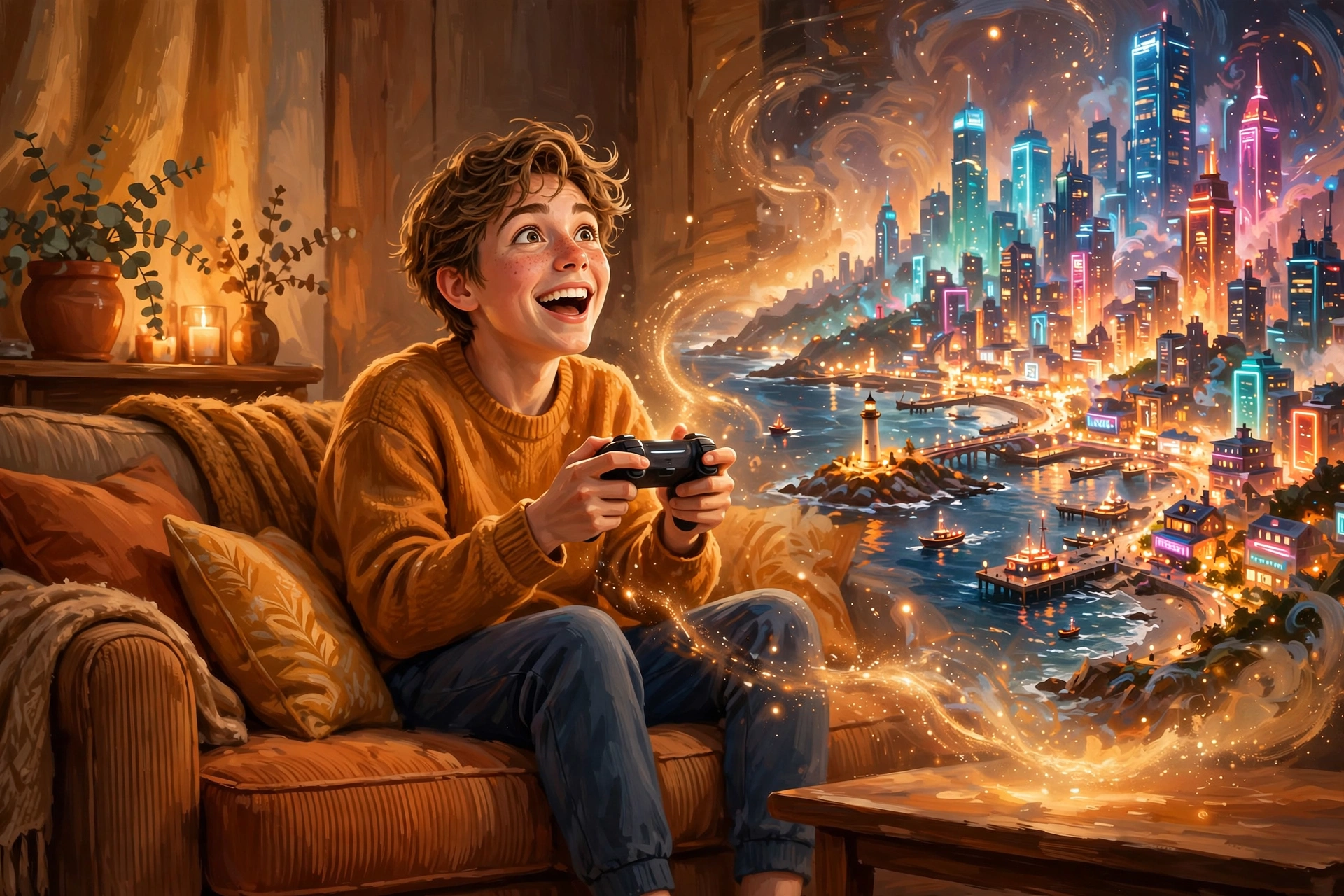
That is the strange power of anticipation. GTA 6 hype psychology explains why the wait itself can feel almost as electric as the thing we are waiting for. Trailers get dissected frame by frame, rumors spread like currency, and every quiet stretch from the studio only makes speculation louder. If you have ever refreshed a feed for news that is not there, your brain is doing exactly what it evolved to do.
Here is the short answer: waiting feels intense because the brain rewards the prediction of pleasure, not just pleasure itself. The gap between wanting and getting fills with imagined scenes, social chatter, and little jolts of hope each time a new clue appears, which is why the build-up can swallow far more attention than the event ever will.
Anticipation is the mind’s way of living in a future moment before it arrives, rehearsing it, picturing it, and feeling a preview of the emotions it might bring.
What is actually trending, and why does it matter?
GTA 6 is one of the most anticipated games in history. Its predecessor stayed in the cultural conversation for more than a decade, and the sequel has been trailed and talked about for years. That long runway matters: the longer a wait stretches, the more fans build an imagined world around the game.
When “gta6” hits number one on trending searches, it is a snapshot of millions of people feeling the same itch at the same time. We do not anticipate alone; we anticipate together, and the togetherness amplifies everything.
Why does waiting feel so exciting?
Waiting feels exciting because the brain treats an expected reward as a reward in its own right. Neuroscientist Wolfram Schultz’s classic work on reward prediction showed that dopamine neurons fire most strongly not when a reward arrives, but when a cue signals that one is coming. A trailer, a teaser image, a cryptic developer post: each is a cue delivering a small nudge that says, “something good might be near.”
That is why the hype cycle never sits still. Psychologists distinguish the wanting system from the liking system. Wanting is the itch, the urge to check, the pull toward the next update. Liking is the enjoyment when you finally get the thing. The two do not always match, which is why a launch can feel oddly flat after months of build-up.
Think of Marcus, a composite fan many readers will recognize. He rarely plays games these days; he has a job, a partner, a long list of adult responsibilities. But every few weeks, something GTA-related crosses his feed, and suddenly he is twenty minutes deep in a thread analyzing a three-second clip. He is not gathering information. He is visiting a feeling: the self who had free weekends and a group chat full of friends to share a game with.
How does GTA 6 hype psychology explain the endless speculation?
GTA 6 hype psychology explains the speculation spiral through a simple loop: uncertainty plus community equals endless content. When official information is scarce, the brain hates the gap and rushes to fill it. A blurry screenshot, a rumored detail, a studio job listing: each becomes raw material for theories, and every theory earns social reward in likes and replies.
This is where FOMO, the fear of missing out, joins the party. Nobody wants to be the friend who has not seen the new theory or the joke everyone is quoting. Checking the feed becomes a social duty, even though the “news” may be nothing at all.
Uncertainty also grips attention in a special way. Psychologist B. F. Skinner’s work on variable reinforcement showed that unpredictable rewards hold attention far longer than predictable ones. A feed that might contain a big update, or nothing, is a slot machine for news.
Why does nostalgia make the hype even stronger?
For many players, GTA is not just a game series. It is a timestamp: the summer after graduation, the apartment with three roommates and one television. Psychologists who study nostalgia, including Constantine Sedikides, have found that nostalgic memories strengthen feelings of social connection and meaning, especially during stressful times.
So when GTA 6 trends, part of what people are searching for is not a game at all. It is a feeling from an earlier chapter of their lives. The hype becomes a reunion: old friends resurface, old jokes come back, and the wait becomes shared. That is lovely, and it is also why the wait can sting: nostalgia edits out the boring parts of the past and leaves only the glow.
Consider Priya, another composite fan. She has not owned a console in years, but a GTA 6 clip still stops her thumb. She sends it to her brother, and soon they are trading memories of a road trip from a decade ago. The game is the excuse; the connection is the point.
When does fun hype turn into a drain?
Hype turns into a drain when checking starts costing more than it gives. The warning signs are ordinary: the thirty-second feed check takes thirty minutes; bedtime drifts later because “one more thread” keeps appearing; a speculative post leaves you irritated; or you consider an unplanned purchase, purely because the buzz made it feel urgent.
None of that means something is wrong with you. It means an effective attention loop is doing its job on a brain never built to resist an infinite feed. Recognizing the loop is not about killing the fun. It is about choosing when you step into it.
Pause and ask yourself: When I reach for GTA 6 news, am I actually excited, or just scratching an itch? If the last five minutes of scrolling left you more tense than thrilled, that is useful information, not a failure.
How can you enjoy the hype without losing your attention?
You can enjoy the hype without losing your attention by giving anticipation a container instead of letting it leak into every spare moment. The goal is to care on purpose.
Here are practical, non-clinical takeaways that keep hype fun:
- Schedule your hype windows. Pick one or two times a day, say lunch and early evening, to check for news. Outside those windows, the feed can wait.
- Follow people, not algorithms. Choose a handful of trusted creators and ignore the rest. A short, chosen list has a natural stopping point; an endless feed does not.
- Protect the last hour before bed. Hype content is stimulating by design. Swapping it for something calmer in the final hour makes sleep easier.
- Put a pause between urge and purchase. If the buzz makes you want to preorder or buy merchandise, wait 48 hours. If you still want it then, it was a real want.
Anticipation is not a flaw in how we experience good things. It is one of the pleasures themselves. The trouble only starts when waiting replaces living: when hours meant for rest, work, or people go to a feed that never runs out.
What will happen when the wait finally ends?
When the wait finally ends, expect a strange mix of elation and letdown, and know that both are normal. Psychologists call part of this the arrival fallacy: the belief that a long-awaited milestone will deliver lasting happiness, followed by the discovery that happiness settles back to normal fairly quickly. The launch will be fun. It just will not fix everything.
The fans who enjoy launches most tend to be the ones who kept the rest of their lives running during the wait. They arrive at release week rested, connected, and curious, not weighed down by imagined perfection.
That is what the trending chart is really showing. Millions of people are not just waiting for a game. They are practicing hope in public, together, in real time. Enjoy the what-if, but keep it the garnish, not the whole meal.
Frequently asked questions
Why does waiting for something exciting feel so intense?
Waiting feels intense because the brain rewards predicted pleasure, not just pleasure itself. Dopamine activity rises when a cue signals a reward is coming, so trailers and rumors each deliver a small jolt beforehand.
How can I stop doomscrolling hype news?
Set fixed hype windows, follow trusted sources instead of algorithmic feeds, and protect the hour before bed. A 48-hour pause before hype-driven purchases also helps.
Is it normal to feel let down after a long-awaited launch?
Yes. The arrival fallacy describes how a long-awaited event often brings a brief high followed by a return to normal mood. It does not mean the game is bad; the months of wanting were much of it.
Try it on our site
If the hype cycle is eating your attention, these free tools can help:
- Focus Room — reclaim attention for a set stretch.
- Challenge the Thought — test thoughts like “I need to check right now.”
- Daily Tracker — track screen time and sleep.
- Wellness Tools hub — all free check-ins, games, and exercises.
Related reading: Why You Keep Checking Your Phone, Dopamine Detox: Does It Work?, Is Social Media Designed to Be Addictive?
Key Takeaways
- Anticipation rewards predicted pleasure, which is why waiting can feel as electric as playing.
- Uncertainty plus community fuels endless speculation, and FOMO keeps the checking loop spinning.
- Nostalgia deepens hype by tying the game to meaningful memories and friendships.
- Hype becomes a drain when checking costs sleep, focus, or unplanned spending.
- Hype windows, trusted sources, and a 48-hour purchase pause keep the fun in charge.
This article is for educational purposes only and is not a substitute for professional advice. If you are struggling with attention, sleep, or habits that feel out of control, consider speaking to a licensed professional for support.