
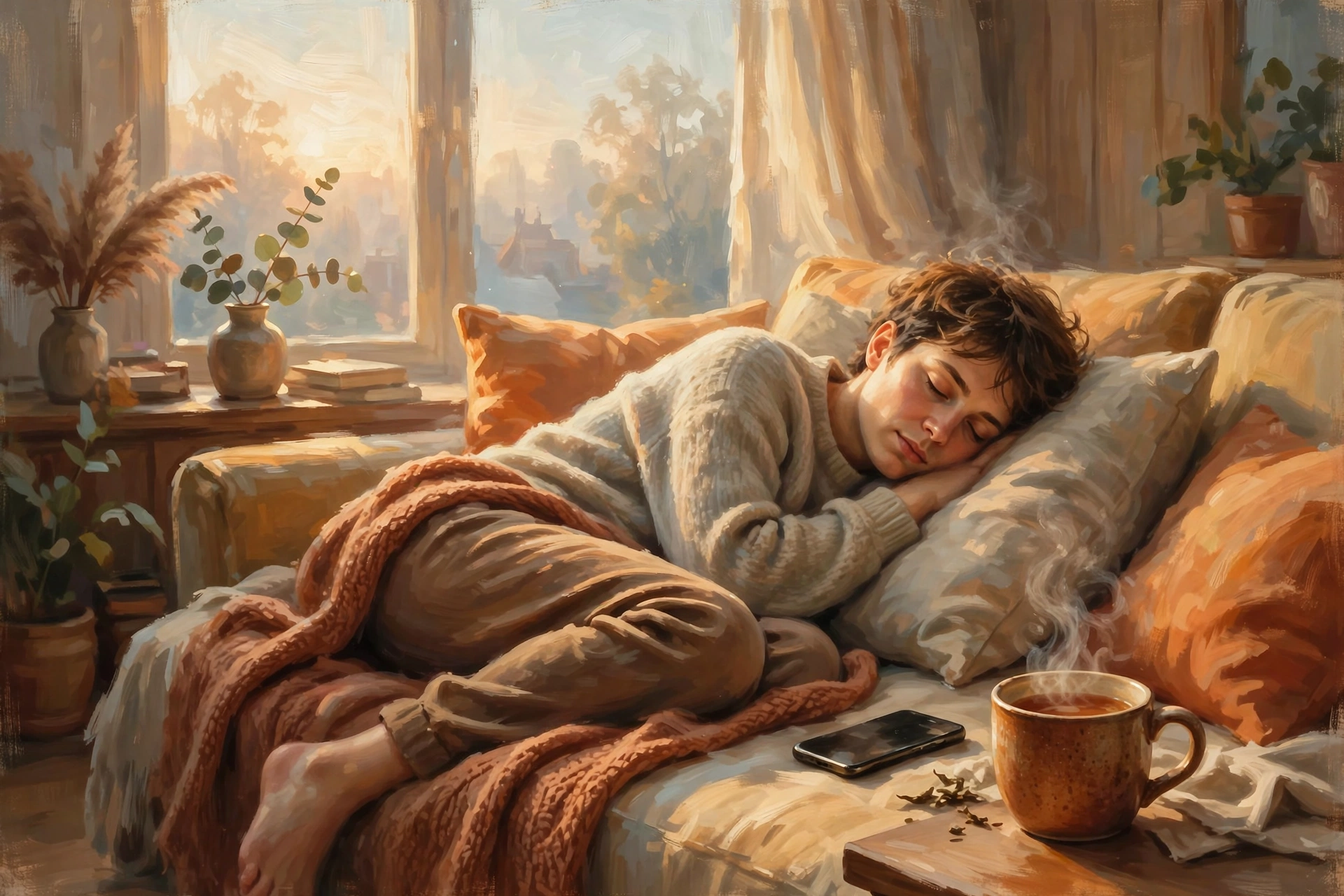
The Midterms Are Over but Your Battery Is at 1%: The Psychology of Post-Election Fatigue
Reviewed by a Psychology Postgraduate (MA)
The 2026 US midterm elections were held on 3 November 2026, and results reported on 4 November 2026 showed Democrats winning control of the US House, flipping several Senate seats, and recording historic governor wins including Keisha Lance Bottoms in Georgia. Exit polls put presidential approval at 38 percent among midterm voters. After months of polls, debates, and late-night updates, the outcome was finally known.
The short answer: Post-election fatigue is the drained, flat feeling that follows months of political vigilance, even when your side wins. Your nervous system has run on alert for months, and when the results arrive, the adrenaline drops, leaving exhaustion, irritability, and a strange emptiness behind. Rest, not more news, is what helps it lift. Your nervous system has been running on alert for months, and when the results finally arrive, the adrenaline drops, leaving exhaustion, irritability, and a strange emptiness behind. Rest, not more news, is what helps it lift.
If you expected relief and instead felt foggy, irritable, or oddly empty, you are not alone. You may have slept and still felt unrested. You may have won and still felt wrung out. That crash is not a personal failure. It is a predictable response to a long period of stress suddenly ending.
Post-election fatigue is the mental and physical exhaustion that follows a prolonged period of election-related vigilance, worry, and information overload, once the outcome is known.
The timing fits the pattern. The first Wednesday of November often falls after major elections and is National Stress Awareness Day, and the University of Michigan scheduled Nature Rx Day for the day after the election. Coverage on 4 November 2026 described exactly this crash, noting that two years of high-stakes stress does not just vanish the second a race is called. The American Psychological Association 2026 survey reported that 3 in 4 Americans said the future of the nation was a significant source of stress, up from 69 percent reporting significant election stress in 2024 and 52 percent in 2016.
Consider Dana, a composite example: a teacher in Ohio who checked polls over breakfast, listened to political podcasts on her commute, and stayed up late on election night refreshing results. By Wednesday morning she felt snappish, unable to focus on grading, and strangely flat. Nothing new had gone wrong. The pressure had lifted, and her body finally noticed how tired it was.
Why do I feel worse after the election is over?
You feel worse because the end of a stressful period is itself a strain. During a campaign, your mind has a job: stay alert, gather information, and prepare for what comes next. When results arrive, that job ends abruptly, and the energy that kept you going drops away.
Psychologists call part of this the post-event letdown effect. After months of anticipation, the brain expects a big emotional payoff. When the moment passes, even a good result can feel flat, because the build-up was bigger than the release.
There is a physical side too. Stress hormones such as cortisol and adrenaline help you stay alert under pressure, but they are costly over time. When the perceived threat passes, those hormones fall, and the body starts to pay the bill: heavy eyelids, headaches, poor concentration, and a short fuse. It can feel like coming down with something, when you are really coming down from something.
Why do winners feel drained too?
Winners feel drained because vigilance is tiring no matter how it ends. Relief does not cancel exhaustion. If you spent two years worrying, arguing, volunteering, or doomscrolling, your nervous system does not instantly reset because your candidate won.
Winning can also bring a quiet letdown. Campaigns offer belonging, purpose, and daily structure. After the election, that structure disappears overnight. A related idea, hedonic adaptation, describes how even a positive change fades quickly as the mind returns to its baseline.
For supporters of losing candidates, fatigue is often mixed with grief, anger, or worry about the future. That is a different emotional load, but the body keeps a similar score. Whether the result brought joy, disappointment, or a confusing mix of both, the common thread is the same: long high alert, then a sudden stop.
What is happening in my brain and body?
Your brain has been treating the election as an open threat to monitor. Every headline, alert, and argument kept the threat system switched on, scanning for new information and rehearsing what might happen next.
Three processes help explain the crash. First, decision fatigue: after thousands of small choices about what to read and believe, clear thinking narrows. Second, allostatic load, the wear and tear from stress staying on too long. Third, the adrenaline and cortisol comedown: when the alarm quiets, recovery often feels like exhaustion before it feels like rest.
Why can I not stop checking the news even now?
You keep checking because checking became a habit, and habits do not switch off with the news cycle. Each refresh once promised new information and a small sense of control. That intermittent reward is powerful: sometimes there was a big update, sometimes nothing, so the brain kept pulling the lever.
Even when updates slow down, the urge remains. Breaking that loop takes deliberate replacement, not willpower alone. You need something else to do with the moments news used to fill, or the old habit quietly returns. If checking leaves you tense, tired, and short on sleep, it is costing more than it gives.
Pause and ask yourself: What did election season cost me, in sleep, patience, or peace of mind, and what is one small thing I can give back to myself this week?
If a thought about the results keeps looping, try Challenge the Thought, a guided tool for slowing down a stuck thought and testing it calmly.
How long does post-election fatigue last?
For most people, the sharpest fatigue lifts within days to a couple of weeks as sleep, routine, and normal pleasures return. The first few days are often the worst, because the comedown is freshest and the checking habit is strongest.
Recovery takes longer when election stress was layered on top of other pressures, such as money worries or poor sleep, or if you keep following every reaction as if the campaign were still running. If low mood, anxiety, or sleep problems persist for several weeks, worsen, or interfere with work or relationships, seek support rather than pushing through.
How do I recover this week?
Recovery is not about pretending the election did not matter. It is about giving your nervous system a planned wind-down, the way an athlete cools down after a race rather than stopping dead.
- Days 1 to 2: Close the loop. Read one trusted summary of the results, then stop refreshing. Tell friends you are taking a news break, so forwarded links do not pull you back.
- Days 2 to 3: Restore the basics. Protect sleep first: a regular bedtime, no election coverage in the last hour before bed, and your phone charging outside the bedroom if you can manage it.
- Days 3 to 4: Move and get outside. A walk, ideally somewhere green, gives an overstimulated mind a quieter kind of attention.
- Days 4 to 5: Replace the habit. Pick one replacement for checking moments: a book, a non-political podcast, a walk with a friend, or a hands-on task.
- Days 5 to 7: Reconnect on purpose. Spend time with people without relitigating the election. Belonging was part of what campaigns offered. Ordinary connection can offer it back, without the adrenaline.
It also helps to decide in advance how you will stay informed: a once-a-day check or a weekly summary can keep you engaged without keeping you on alert. Civic engagement does not require constant vigilance. If political conversations are still tense, you can honestly say you are tired and need a few days before talking it through properly.
Frequently asked questions
Is post-election fatigue normal? Yes. Feeling tired, flat, or irritable after a long, high-stakes election is a common response to prolonged stress ending, whether your side won or lost.
Why am I tired after the election even though I feel relieved? Relief and exhaustion can coexist. Your body spent months on alert, and when adrenaline drops, accumulated tiredness surfaces. Relief says the threat has passed. Fatigue says recovery is still needed.
How long does election stress recovery take? For most people, the worst passes within days to a couple of weeks, especially with better sleep, fewer news checks, and a return to routine. If symptoms persist for several weeks or worsen, consider professional support.
Should I stop following the news completely? Not necessarily. A complete ban often backfires. A planned limit, such as one check a day from a trusted source, usually works better than constant checking or total avoidance.
Can post-election burnout affect relationships? Yes. Tired people argue more easily and listen less patiently. Naming the fatigue, pausing political debate for a few days, and spending unhurried time together can ease that strain.
Try it on our site
These free tools can help you steady your attention again, with no signup needed:
- Challenge the Thought – slow down a looping political thought and test it step by step.
- Daily Tracker – track sleep, mood, and habits as your routine returns to normal.
- Wellness Tools hub – explore check-ins, relaxation exercises, and brain games to unwind.
Related reading: US midterm election results and psychology and Election Day anxiety psychology.
Key Takeaways
- Post-election fatigue is the exhaustion that follows months of political vigilance, and it can affect winners and losers alike.
- The crash comes from an adrenaline and cortisol comedown, decision fatigue, and the sudden loss of campaign structure and purpose.
- Relief and tiredness can coexist. Feeling flat after a win does not mean you do not care.
- Recovery is practical: limit news checks, protect sleep, move outside, replace the scrolling habit, and reconnect with ordinary pleasures.
- If low mood or sleep problems persist for weeks, seek support rather than pushing through.
This article is for education only and is not therapy, diagnosis, or medical advice. If you are struggling, consider speaking with a licensed professional. If you are in crisis in the US, call or text 988 to reach the Suicide and Crisis Lifeline.