23. How Personality Develops: Are You Born With It or Does Life Build It?

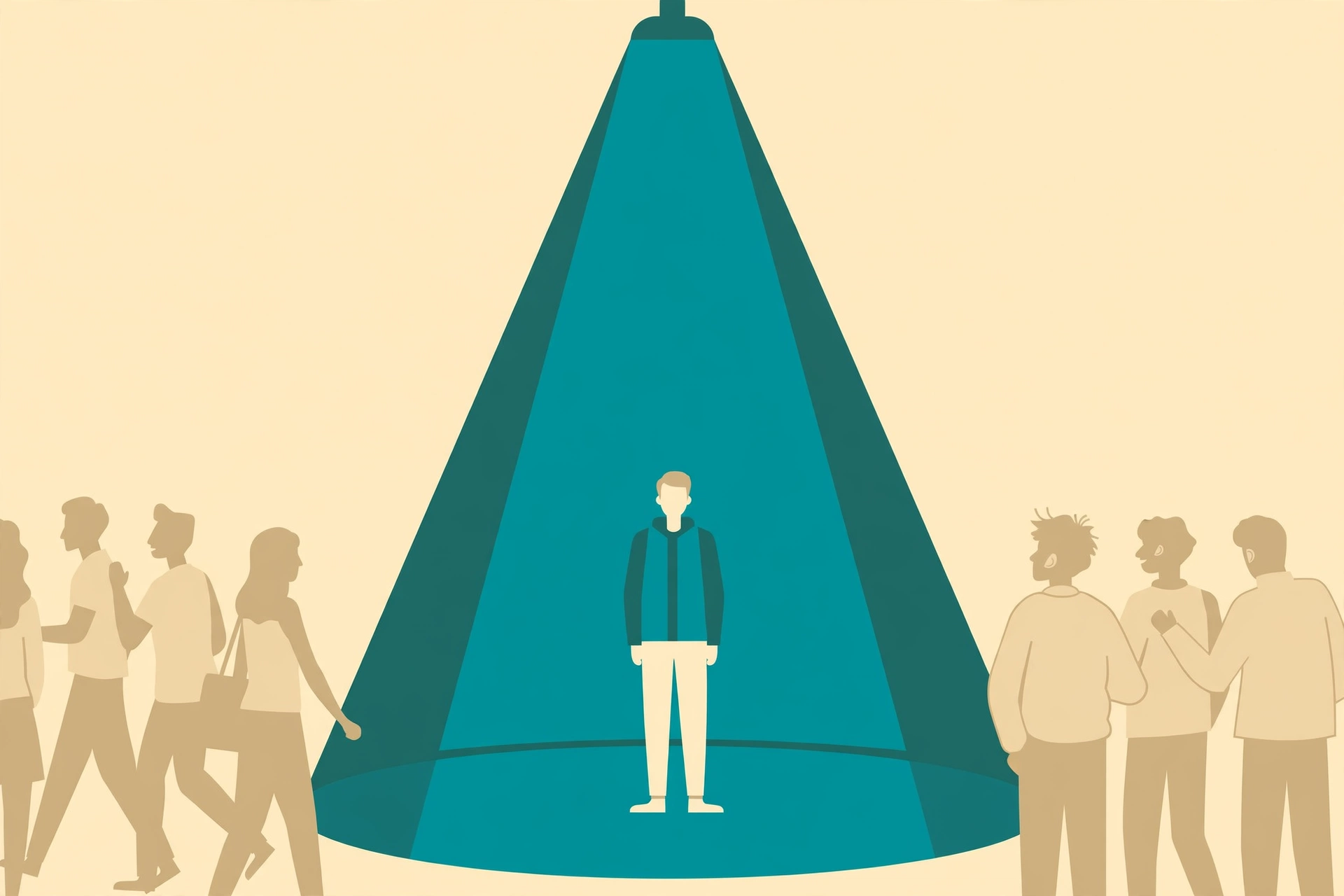
Illustration of how personality develops: the same person, changed over time

Your friend: “the funny one” since kindergarten — same humor at 8 and 38. But calmer now, less reckless, more reliable. Same person, changed person. Both true. Personality is the most stable thing about you — and it never stops changing. What it means in one sentence: Personality is your characteristic pattern of thinking, feeling, … Read more

21. Anchoring: How the First Number Hijacks Every Number After

Illustration of anchoring bias: the first number dragging every number after

Mississippi River: longer or shorter than 500 miles? Guess the length. Now — different if I’d said 5,000 first? Yes. Radically. That first number — even known-arbitrary — drags your answer like a magnet. That’s anchoring: setting prices you pay, salary you accept, deals you call “fair.” What it means in one sentence: Anchoring is … Read more

17. Cognitive Dissonance: Why Your Brain Hates Contradicting Itself

Illustration of cognitive dissonance: two clashing beliefs in one mind

You know smoking is deadly. You smoke anyway. You know the jacket was an impulse buy. You call it “an investment.” You didn’t change behavior — you changed your story. That mental gymnastics is cognitive dissonance. It’s why facts alone almost never change minds. What it means in one sentence: Cognitive dissonance is the deep … Read more

16. Confirmation Bias: Why You Only See What You Already Believe

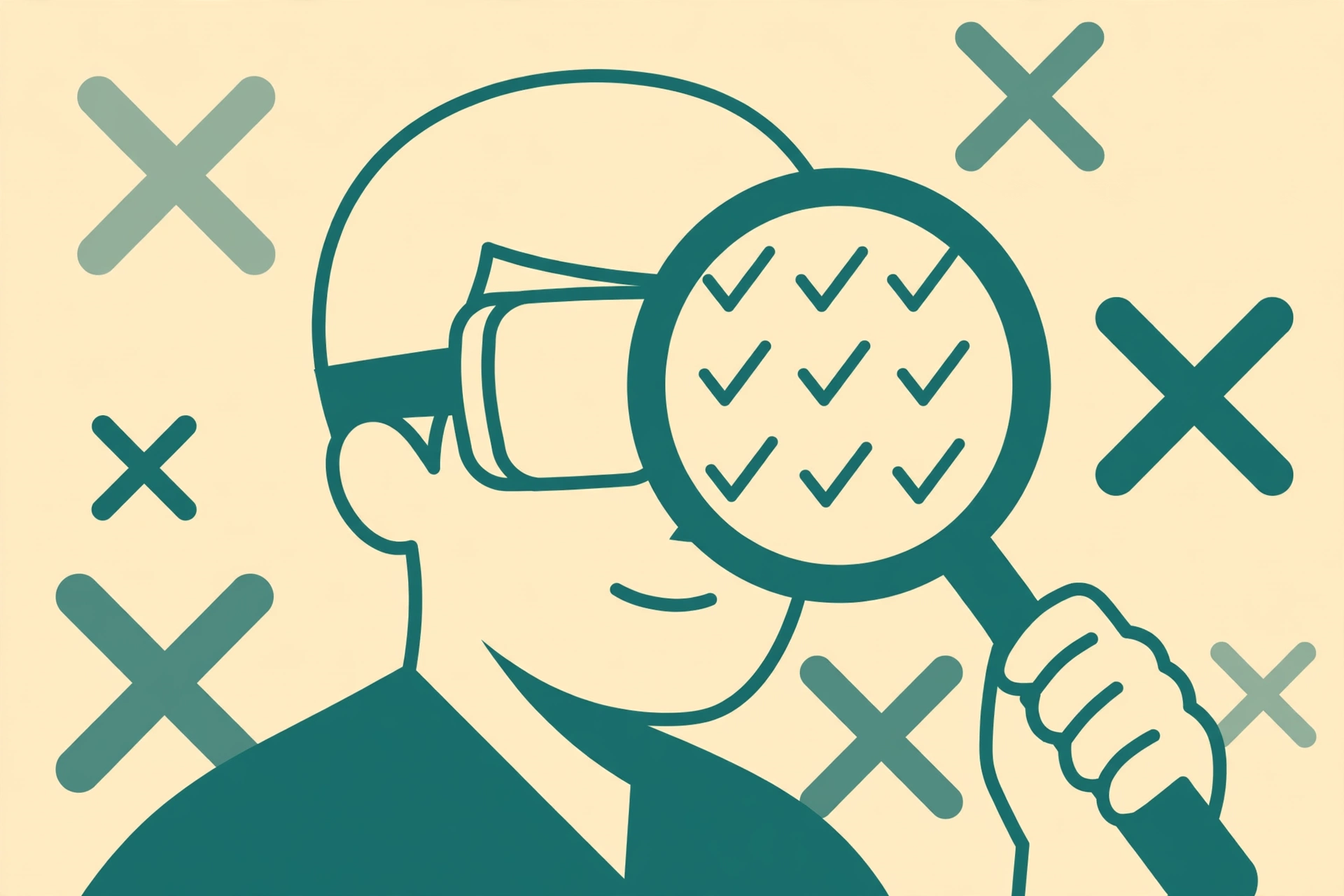
Illustration of confirmation bias: only seeing what you already believe

Two people read the same article. Both say “See? This proves I’m right.” Same article. Opposite conclusions. Neither is lying — both run confirmation bias: hunting evidence that confirms beliefs, discarding the rest. It’s behind every echo chamber and every argument that goes nowhere. What it means in one sentence: Confirmation bias is seeking, noticing, … Read more

14. Stress and Fight-or-Flight: Your Body’s Ancient Alarm System

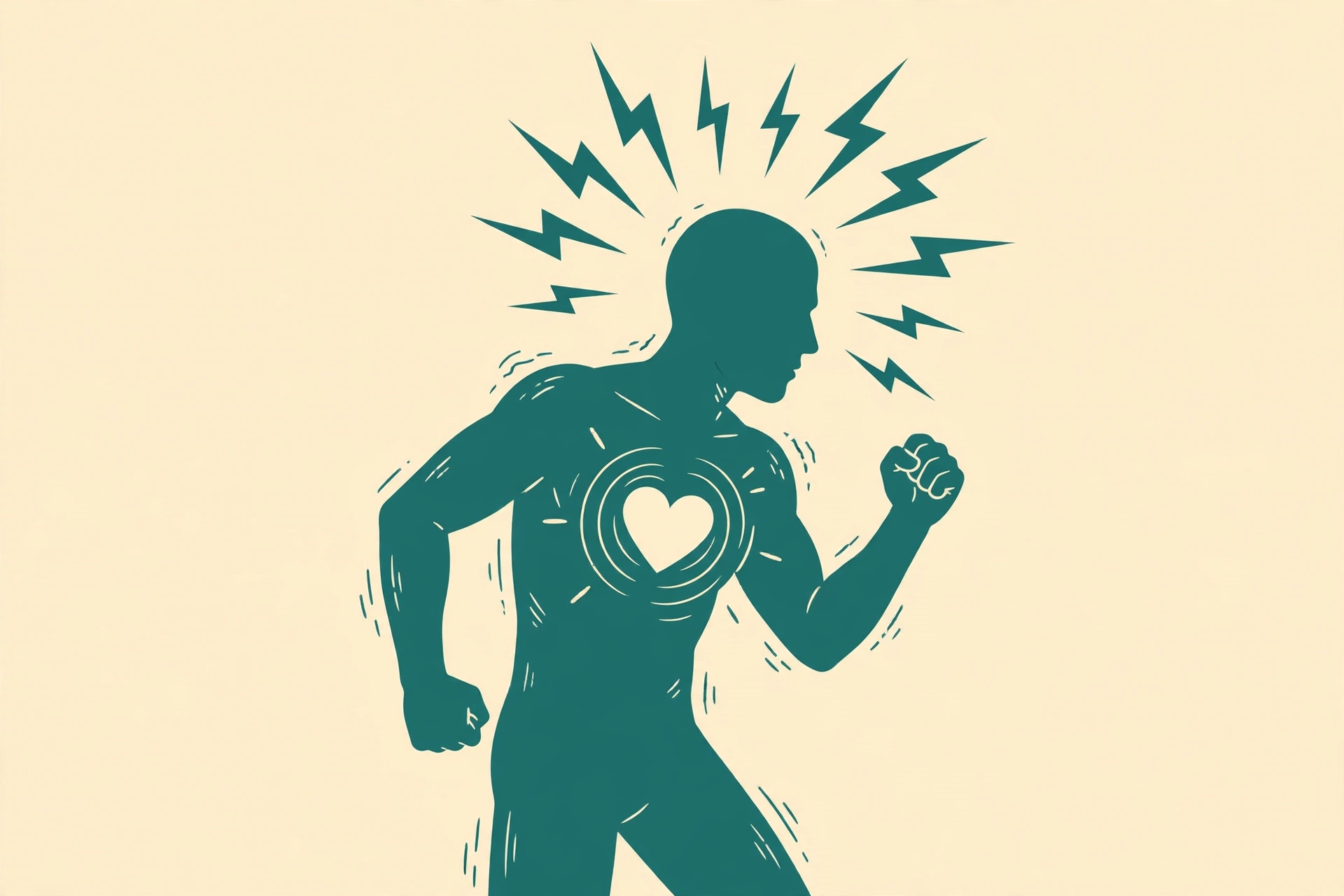
Illustration of the fight or flight response: the body's ancient alarm

A deadline looms. Heart pounds, breathing shallows, muscles tense, mind races. Your body is preparing to fight a tiger. The problem: there’s no tiger. There’s a spreadsheet. Your alarm can’t tell the difference. What it means in one sentence: Fight-or-flight is your body’s emergency response — adrenaline and cortisol preparing you to confront or escape … Read more

10. Operant Conditioning: How Rewards and Punishments Shape Everything You Do

Illustration of operant conditioning: rewards and punishments shaping behavior

You post a photo. Likes roll in — and you post again tomorrow. You touch a hot stove once — and never again. Different situations, one law: behavior followed by good consequences gets repeated; behavior followed by bad consequences gets dropped. What it means in one sentence: Operant conditioning is learning through consequences — behaviors … Read more

15. Cognitive Biases: The Glitches in Your Mental Software

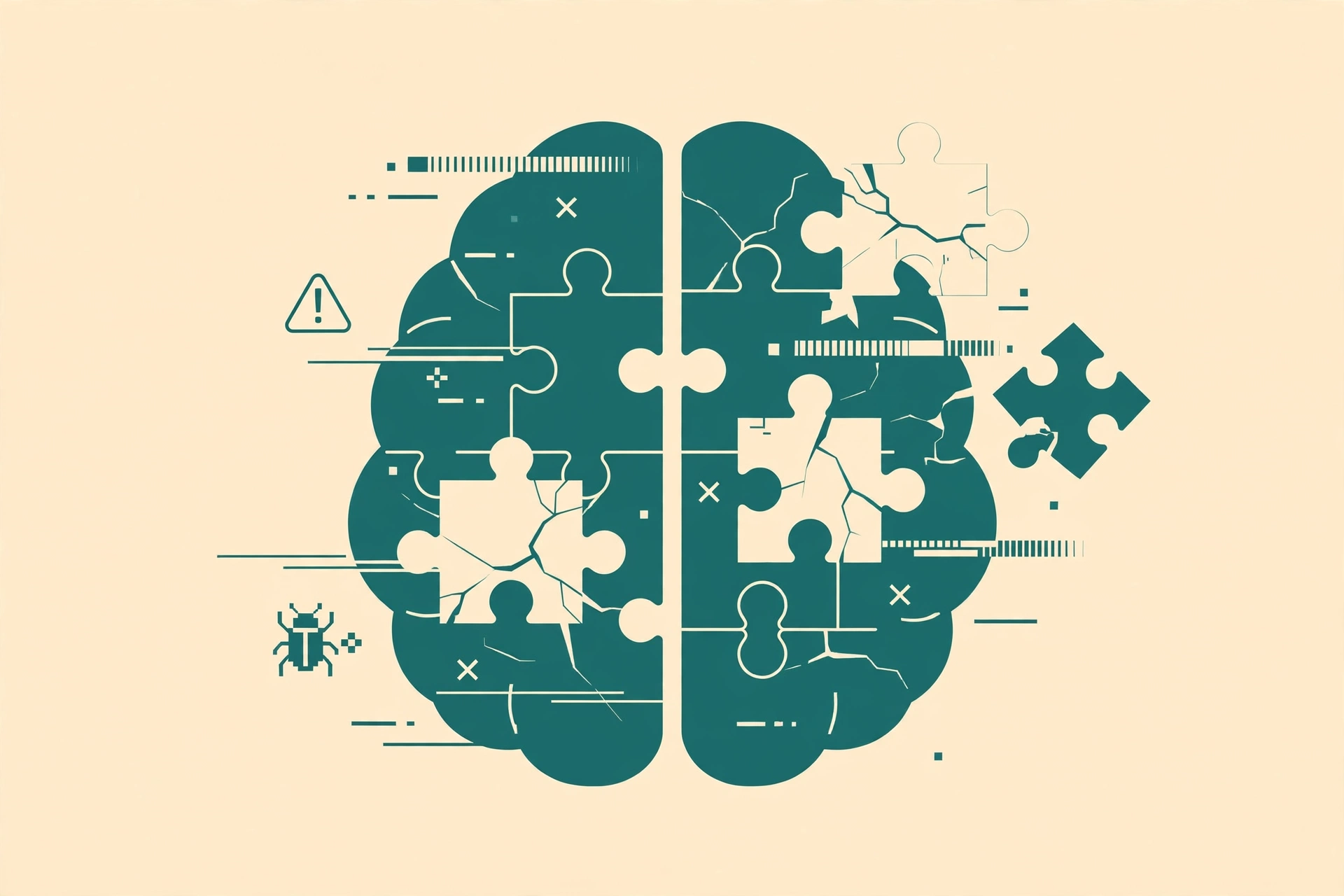
Illustration of cognitive biases: glitches in mental software

You’re a smarter-than-average driver. Your kids are above average. Nearly everyone believes this. Statistically, most can’t be right. You’re not lying or stupid. You’re running cognitive biases: systematic glitches affecting everyone — including the psychologists who discovered them. What it means in one sentence: Cognitive biases are predictable, systematic errors in thinking — mental shortcuts … Read more