
Reviewed by a Psychology Postgraduate (MA)
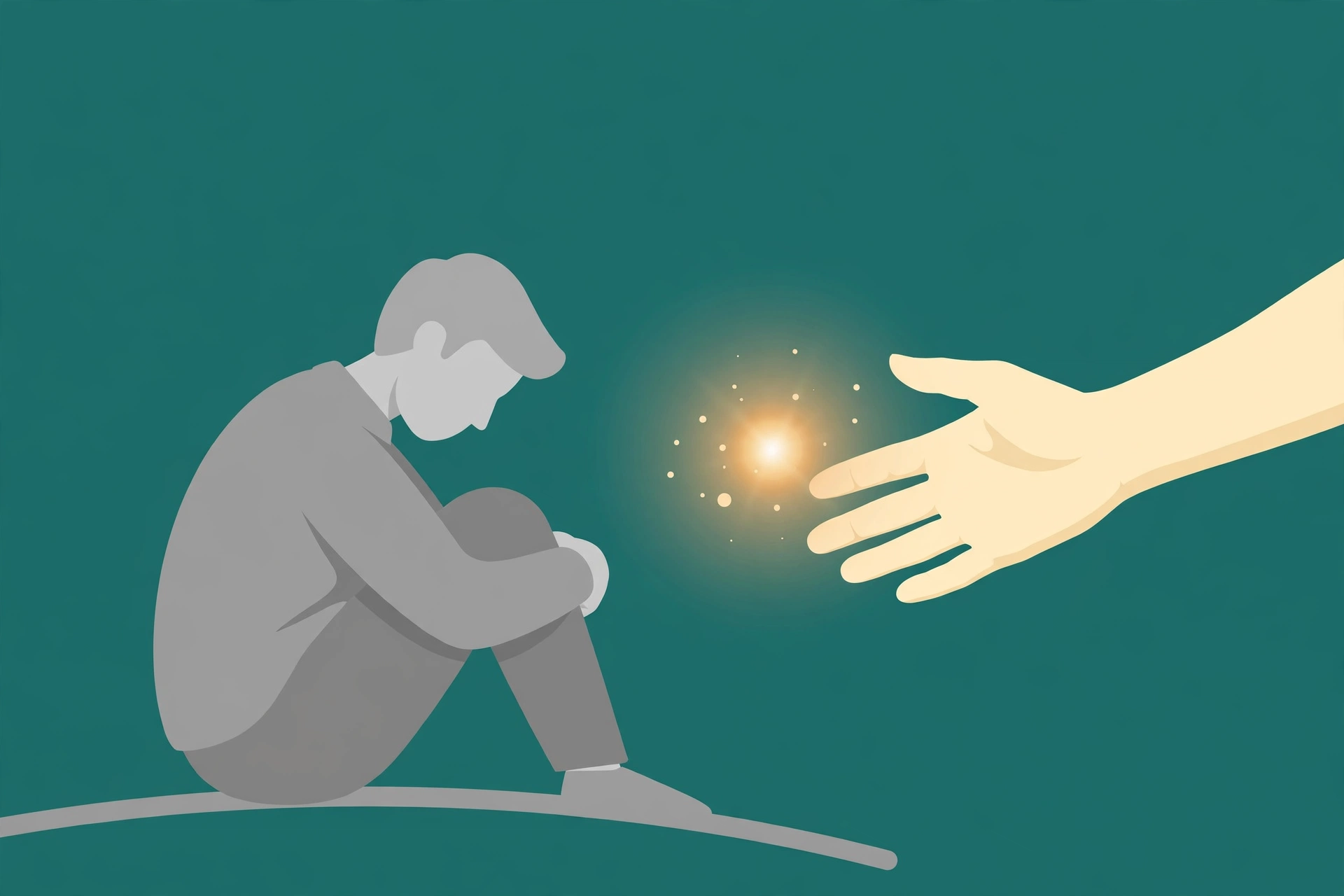
“Just cheer up.” “Think positive.” “Others have it worse.” If depression were sadness, these might work. But depression isn’t sadness — it’s emptiness. Not feeling too much, but feeling nothing. The color drains from everything you loved. This is the most misunderstood mental health condition — and understanding it correctly is the first step to fighting it.
What it means in one sentence: Depression is a persistent state of low mood, emptiness, and loss of interest/pleasure — with physical, cognitive, and behavioral symptoms — lasting weeks or more, impairing life.
In short: What is depression? It is not sadness but a persistent emptiness — the color draining from things you once loved, plus fatigue, disrupted sleep, and harsh self-criticism. It is one of the most common and most treatable mental health conditions. Understanding it correctly, without stigma, is the first step toward real help.
What Depression Means in Everyday Words
Not sadness: Sadness is about something, passes, and you still want things. Depression is about nothing (or everything), persists, and kills wanting itself (anhedonia — loss of pleasure). Sadness cries. Depression can’t.
The cluster: Emotional: emptiness, hopelessness, worthlessness, guilt. Physical: fatigue (sleep doesn’t fix), sleep disruption (too much/too little), appetite changes, aches. Cognitive: negative triad (Beck): “I’m worthless, the world is bleak, the future is hopeless.” Concentration shattered. Behavioral: withdrawal, stopping activities (which worsens it — less reward → deeper depression).
Duration matters: bad week ≠ depression. Clinical depression: most of the day, nearly every day, 2+ weeks, impairing function. Educational — only professionals diagnose.
The Science Behind It
Not “chemical imbalance” simply — it’s complex. Neurotransmitters (serotonin, dopamine, norepinephrine) are involved (medications help many), but depression also shows: shrunken hippocampus (memory center — stress damages it), hyperactive amygdala (threat system), underactive prefrontal (motivation/planning). It’s brain-wide, not one chemical.
Causes: Genetics (~40% heritable). Stress (chronic stress damages hippocampus). Thinking patterns (Beck’s negative triad becomes automatic). Loss (grief can trigger). Inflammation (emerging: body inflammation linked to depression). It’s biopsychosocial — body, mind, and life.
What works: Therapy (CBT: challenging triad; behavioral activation: doing despite not feeling like it — action precedes motivation). Medication (SSRIs help ~60%). Exercise (as effective as medication for mild-moderate — grows hippocampus). Connection (isolation worsens; support protects). Light (SAD — seasonal). The core principle: opposite action — do the thing depression says not to.
3 Examples From Real Life
Example 1 — The gray world: David loved photography. Depression: camera sits untouched. Not sad — empty. “What’s the point?” Friends: “Just go shoot!” He can’t — not won’t. Anhedonia killed the wanting. Recovery started with behavioral activation: 10 minutes with camera, despite feeling nothing. Week 3: a flicker of interest. Action preceded feeling. Motivation doesn’t create action in depression — action creates motivation.
Example 2 — The negative triad: Lisa fails a test. Thought: “I’m stupid” (self), “School is pointless” (world), “I’ll never succeed” (future). Beck’s triad, automatic. CBT: examine the thought. Evidence? “I passed 8/10 tests.” Alternative? “One test, bad week.” The thought isn’t fact — it’s symptom. Challenging it doesn’t cure instantly, but weakens its grip.
Example 3 — The hidden struggle: Mark is successful, funny, social. Nobody knows he’s depressed — he performs wellness. High-functioning depression is real and dangerous (no one checks). His turning point: telling one friend. “I had no idea” — because depression hides. The mask is exhausting; dropping it is relief. You can’t see depression. Ask.
🧠 Quick check: What is 'anhedonia'?
Why: Not sadness but emptiness. The color drains. It's why 'cheer up' fails — there's no feeling to amplify, only absence to fill through action.
Try This Today
Opposite action (5 minutes). Depression says “stay in bed.” Do one small thing opposite: step outside, text a friend, make tea. Not to feel better instantly — to prove action is possible. Behavioral activation: doing despite not feeling like it. The feeling follows — slowly. Five minutes today is rebellion against the gray.
What People Get Wrong
Myth: “Depression is just sadness — cheer up / others have it worse.”
Reality: It’s emptiness, not sadness. Neurobiological (brain changes measurable). “Cheer up” is like telling a broken leg “walk it off.” “Others worse” adds guilt to hopelessness. What helps: acknowledgment (“this is real”), professional help, opposite action, connection. Stigma kills — literally (it blocks help-seeking). Understanding saves.
Why It Matters
Depression affects 280 million globally. It’s the leading cause of disability. But it’s treatable: therapy, medication, exercise, connection work for most. The barriers are stigma (“weakness”) and hopelessness (“nothing will help” — which is itself a symptom). If you see it in yourself or others: name it, normalize help, act (opposite action, reach out). The gray lifts — not by waiting, but by moving, connecting, treating. There’s light — even when you can’t see it yet.
If you’re struggling, please reach out now: Call/text 988 (US Suicide & Crisis Lifeline), text HOME to 741741, or call 1-800-273-8255. You matter. Educational article, not medical advice.
🧠 Quick check: What is 'behavioral activation' and why does it work?
Why: Depression kills wanting, so waiting to 'feel like it' means never acting. Doing first — even 5 minutes — slowly rebuilds the reward system. Action creates motivation, not reverse.
Frequently Asked Questions
What is depression?
A persistent state of emptiness and disconnection — not just sadness, but the color draining from things you loved, plus fatigue, sleep disruption, and harsh self-criticism lasting weeks or more.
What are the signs of depression?
Beyond low mood: loss of interest, exhaustion that rest doesn’t fix, appetite or sleep changes, difficulty concentrating, and feelings of worthlessness. Everyone’s mix differs.
What causes depression?
No single cause — genetics, brain chemistry, life stress, trauma, and isolation interact. It is a health condition, not a character flaw or a choice.
Is depression treatable?
Yes — depression is among the most treatable mental health conditions, through therapy, medication, lifestyle changes, or combined approaches. If you’re struggling, call or text 988 (US) any time.
Try It on Our Site
Try it now: Mood check-in — an honest 2-minute snapshot — no judgment. Start the check-in →
More tools for this topic:
Related reading: 37. What Is Anxiety? · 39. Stress vs. Anxiety vs. Worry · Athlete Mental Health
Tap when this one clicks — your progress is saved on this device.