30. Obedience: Why Good People Follow Terrible Orders (Milgram’s Shocking Truth)
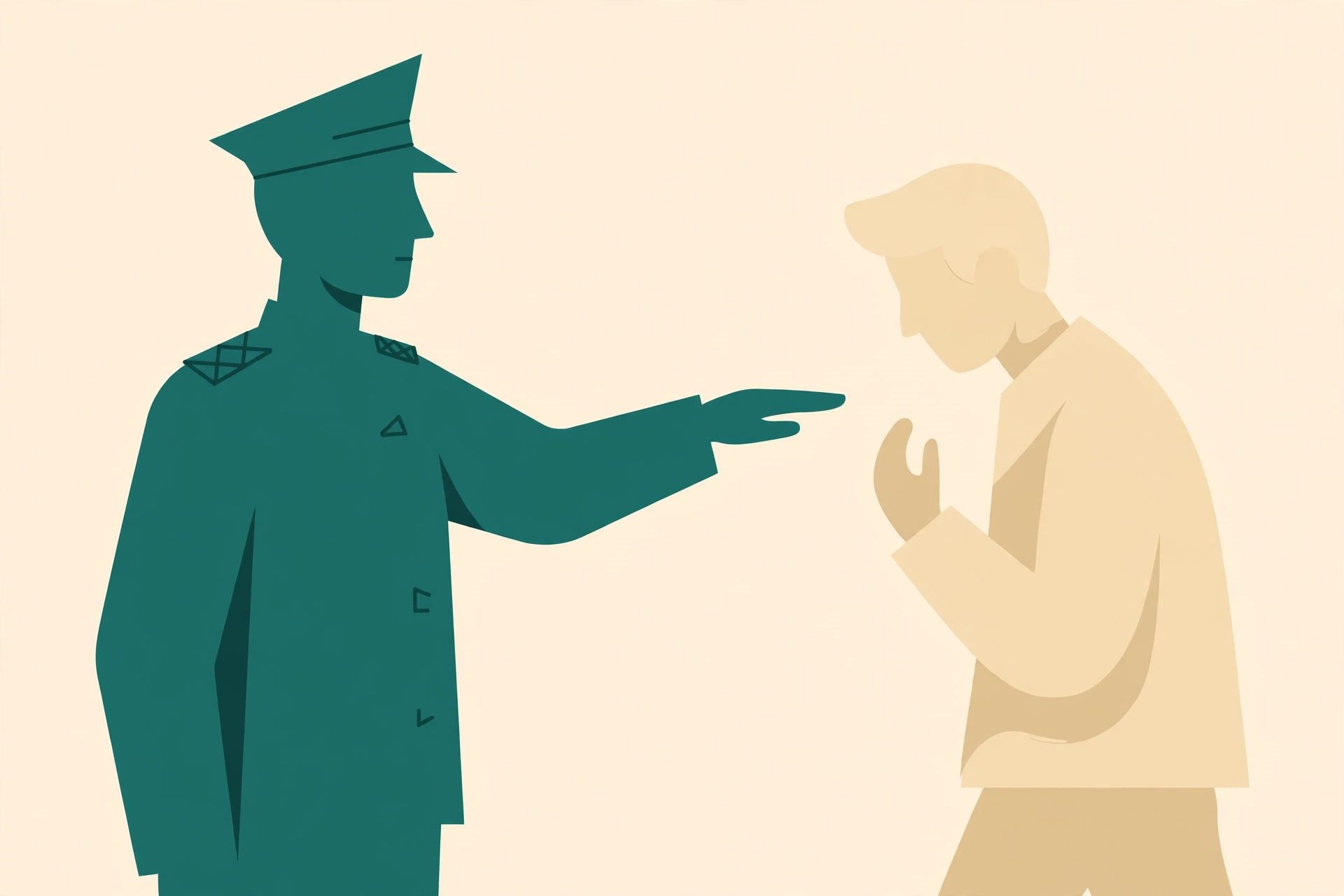
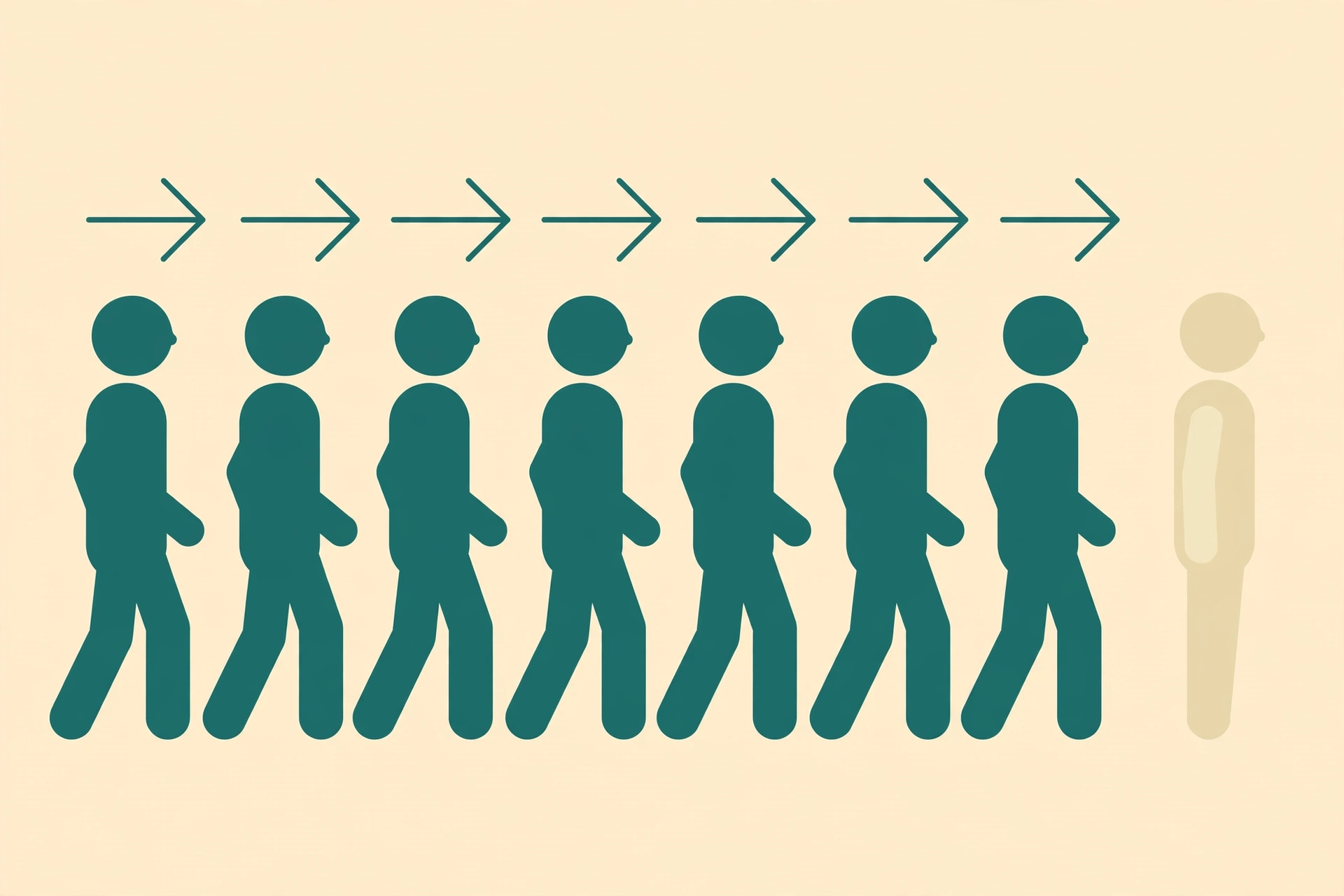
Illustration of the Milgram experiment: obedience to authority in the lab

Lab coat says “please continue.” Volunteer keeps pressing — believing he’s delivering dangerous shocks to a screaming stranger. Sweating, trembling, protesting. But continues. 65% did. Not monsters. Teachers, nurses. This is obedience — and it’s about you. What it means in one sentence: Obedience is following authority’s orders — even against conscience, values, judgment. In … Read more

26. Developmental Stages: The Eight Ages of You (Erikson in Plain English)

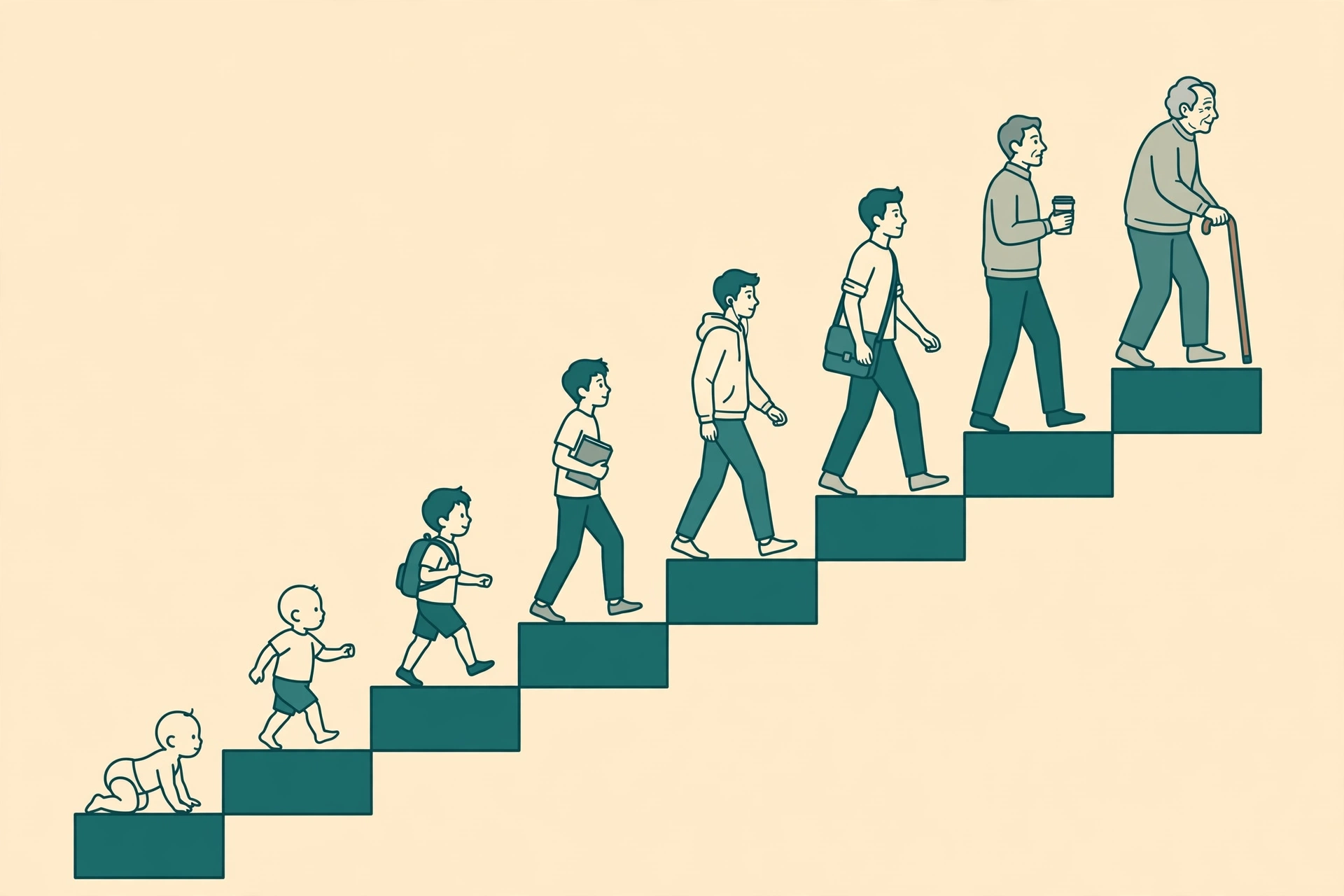
Illustration of Erikson's stages of development: eight ages from trust to integrity

Why do toddlers scream “NO!”? Why do teens obsess over identity? Why do 40-year-olds question everything? Not random — developmental stages: predictable psychological tasks, in order, birth to death. Erikson mapped all eight. What it means in one sentence: Erikson’s stages are eight psychosocial crises — infant trust to elderly integrity — each a conflict … Read more

29. Conformity: Why We Go Along With the Group (Even When It’s Wrong)

Illustration of conformity psychology: going along with the group's wrong answer

Everyone agrees the plan is great. You think it’s terrible. Speak up? Probably not. That silence: conformity. Not weakness — one of the most powerful forces in behavior, proven with lines on cards. What it means in one sentence: Conformity is adjusting behavior/opinions to match a group — even when obviously wrong. In Everyday Words … Read more

27. Self-Esteem: What It Is, What Builds It, What Breaks It

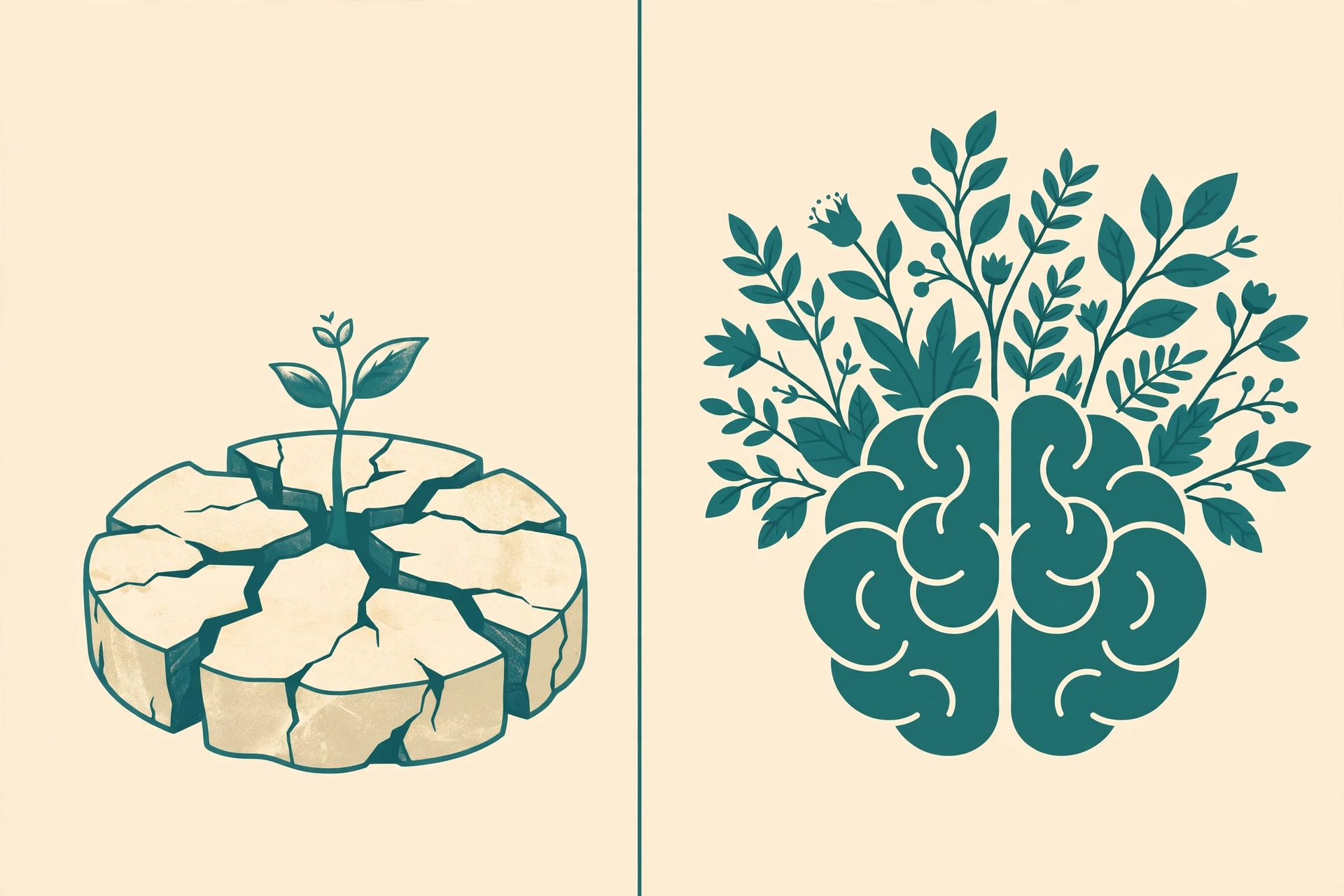
Illustration of what self-esteem is: two reactions to the same rejection

Two people rejected from a job. “Their loss.” vs. “I’m worthless.” Same rejection, opposite inner worlds. Difference is self-esteem: your sense of worth. And it’s not built by praise. It’s built by evidence. What it means in one sentence: Self-esteem is your global evaluation of worth — how much you fundamentally like and respect yourself. … Read more

25. Attachment Styles: Why You Love the Way You Love

Illustration of attachment styles: secure, anxious, avoidant, and disorganized bonds

Same text: “Can’t talk now.” One thinks “busy, no big deal.” The other spirals: “Are they mad?” Same text, opposite reactions. Difference isn’t the text — it’s attachment style: the relationship blueprint built in childhood, still running your love life. What it means in one sentence: Attachment styles are patterns of bonding, closeness, and separation-response … Read more

22. Growth Mindset vs. Fixed Mindset: The Belief That Changes Everything

Illustration of growth mindset vs fixed mindset: two students facing one failure

Two students fail one test. “I’m just bad at this.” vs. “I need a better strategy.” Same failure, opposite futures. One stops; one works. Difference isn’t talent. It’s a belief about ability itself — predicting achievement better than IQ. What it means in one sentence: Fixed mindset believes abilities are static (“not a math person”); … Read more

24. The Big Five: The Science of Personality in Five Dimensions

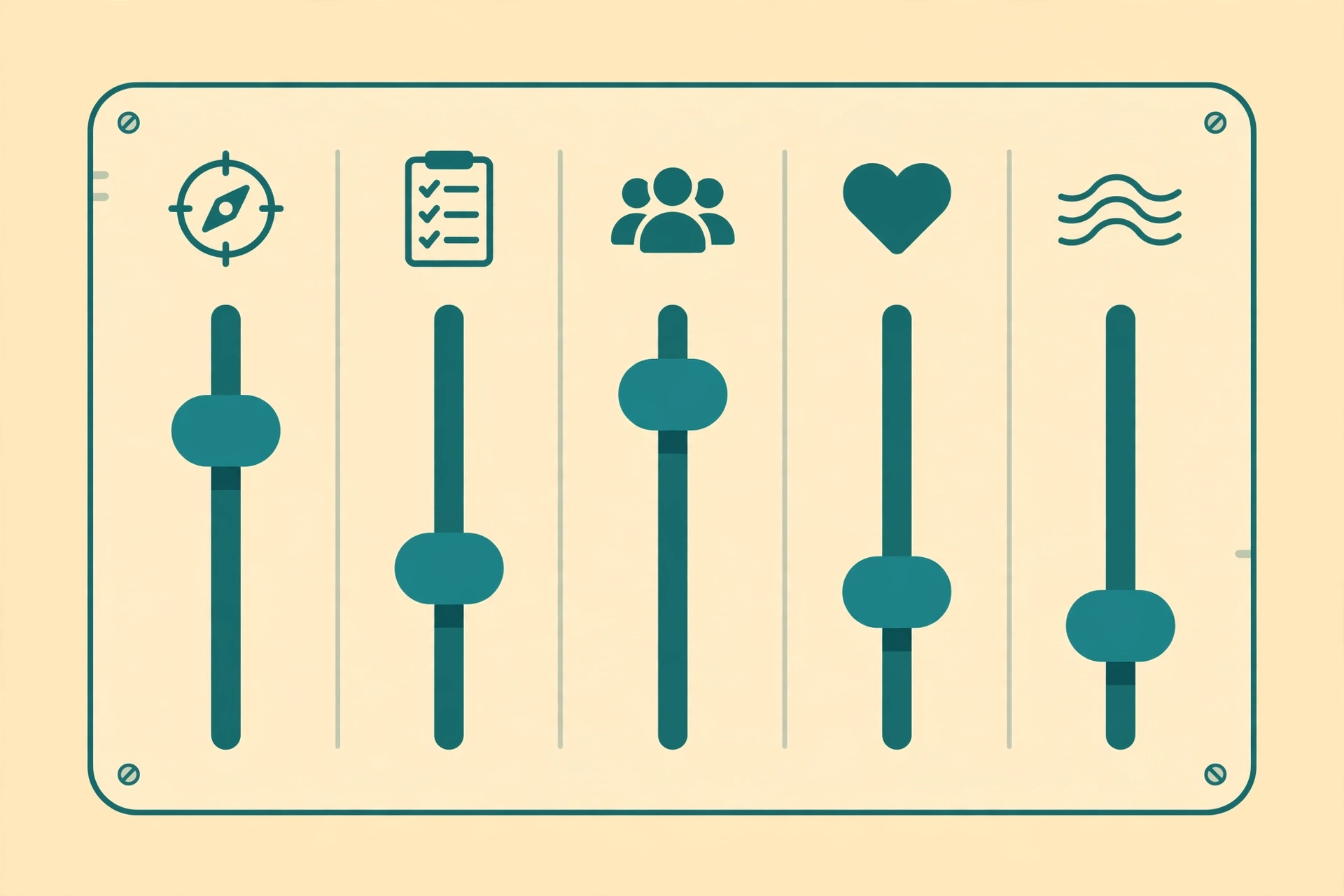
Illustration of the Big Five personality traits: OCEAN dimensions

Forget horoscopes. Forget “16 types.” Personality science has five dimensions — 50 years of research, replicated across cultures, predicting salary to lifespan. The Big Five. Learn them; see them in everyone. Including you. What it means in one sentence: The Big Five (OCEAN) — Openness, Conscientiousness, Extraversion, Agreeableness, Neuroticism — capture major personality differences. In … Read more

18. Heuristics: The Mental Shortcuts That (Mostly) Save You

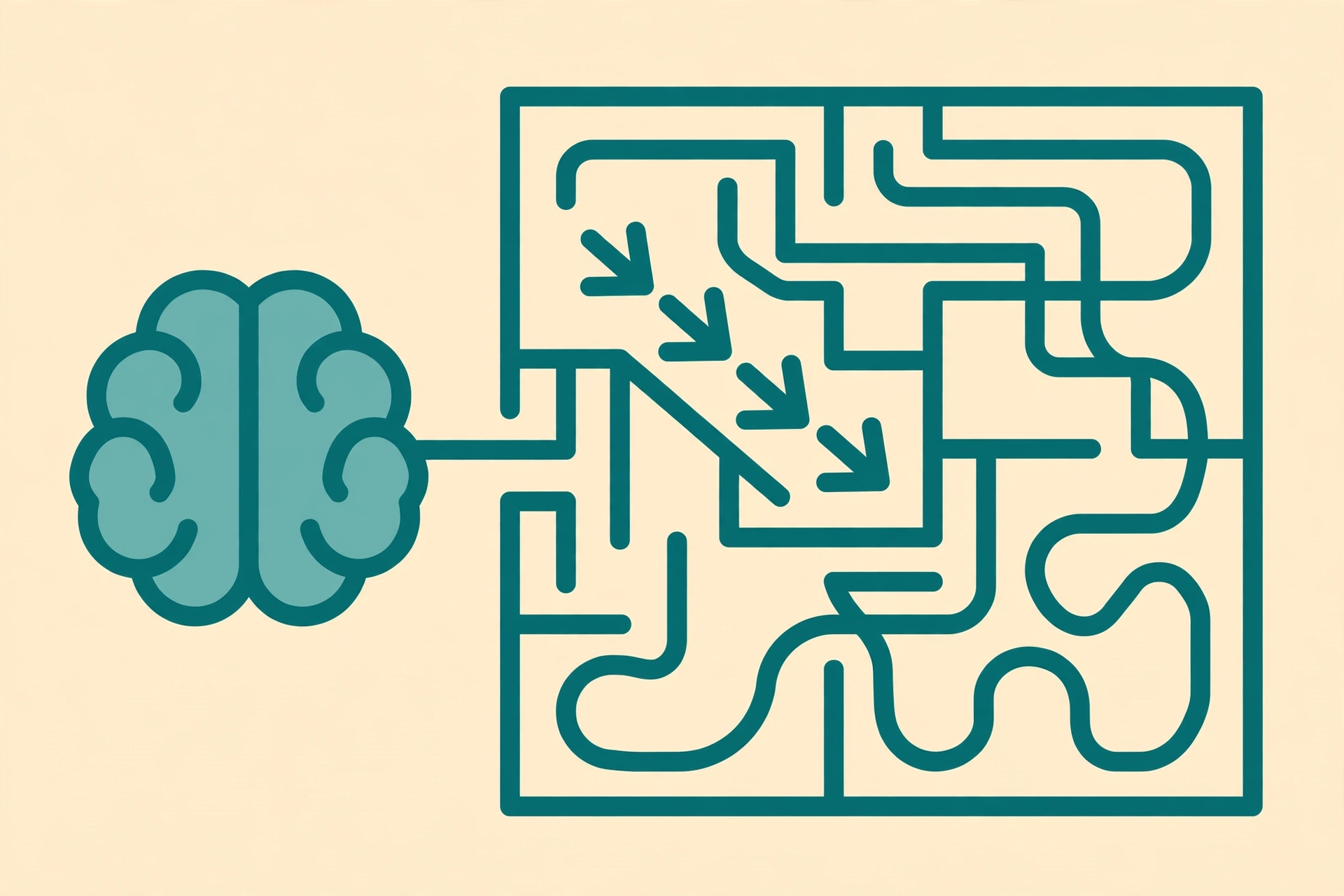
Illustration of heuristics: mental shortcuts for fast decisions

A ball rolls into the street. You brake — before consciously thinking “a child might follow.” No analysis. Just brake. That instant judgment came from a heuristic: a shortcut trading perfect accuracy for life-saving speed. Your brain runs hundreds daily. What it means in one sentence: Heuristics are mental shortcuts — fast, frugal rules of … Read more