
Reviewed by a Psychology Postgraduate (MA)
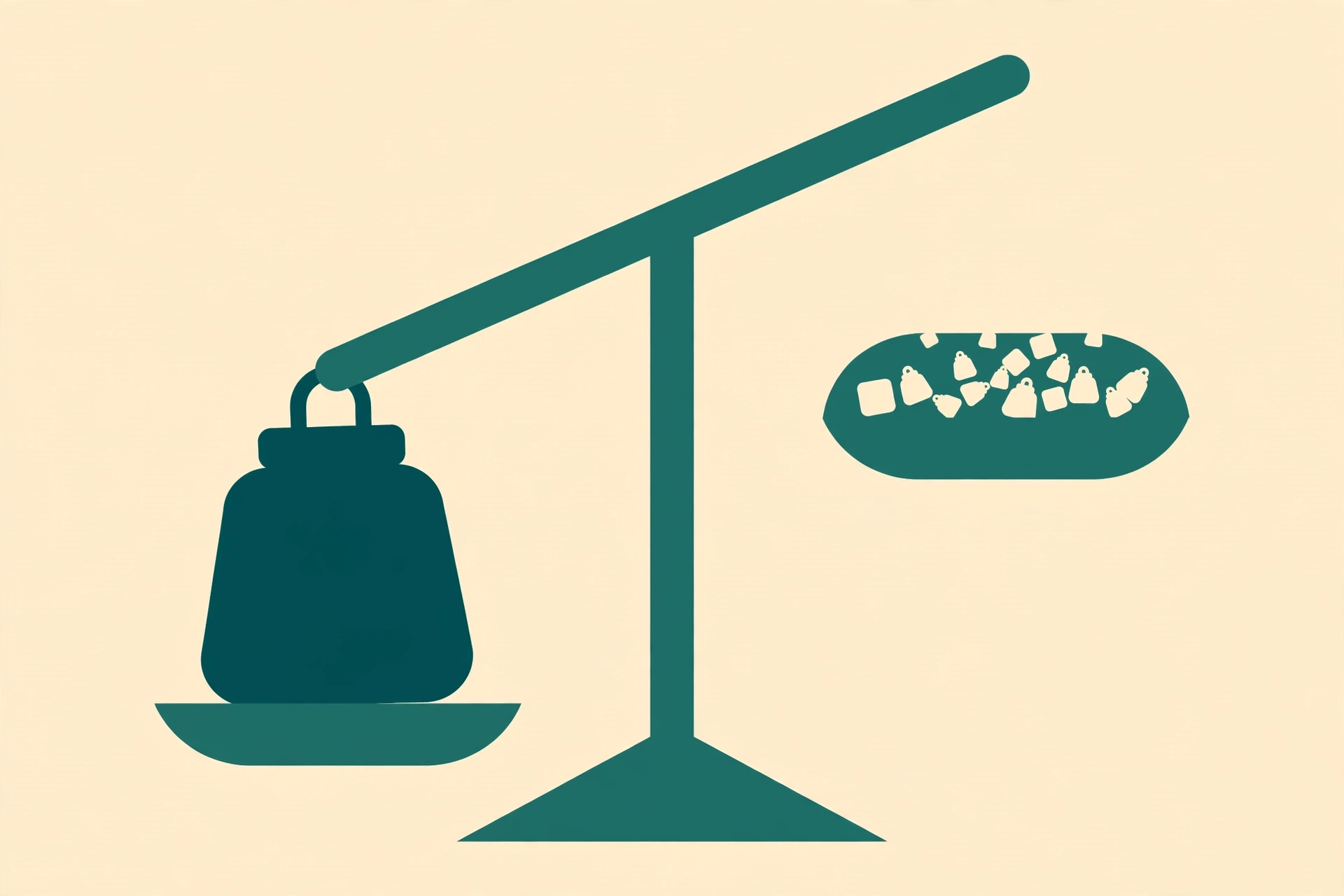
Ten compliments, one insult. Which replays at 2 AM? The insult — word for word. Ten-to-one, and the one wins. That’s negativity bias: bad is stronger than good. It kept ancestors alive. Now it keeps you up at night.
What it means in one sentence: Negativity bias is giving more weight to negative experiences — bad hits harder, lasts longer, shapes more than equivalent good.
In short: What is negativity bias? It is the mind giving negative experiences more weight than equal positive ones: one insult outweighs ten compliments, one bad review eclipses a year of praise. Evolution wired this asymmetry because missing a threat cost more than missing a reward. The fix is not forced positivity but deliberate savoring and a 5:1 ratio of positives to negatives.
Negativity Bias in Everyday Words
Baumeister (2001): “Bad is stronger than good.” Ratios: Relationships: Gottman found marriages need 5:1 positive-to-negative to survive. One eye-roll needs five warm moments. Feedback: one criticism erases multiple praises. Memory: insults remembered decades, compliments days. News: “if it bleeds, it leads” — media economics, not cruelty.
Why? The ancestor who overreacted to rustles survived. Missing berries cost a meal; missing a threat cost everything. We’re descendants of the anxious.
The Science Behind It
Negative stimuli trigger the amygdala faster and stronger — angry faces beat happy faces in milliseconds, pre-consciously. Negatives get preferential encoding into long-term memory: threats tagged “must keep.”
Nuance: the bias is tunable. Gratitude and savoring measurably shift the balance — not deleting negativity, but amplifying positivity’s encoding. Default setting isn’t destiny.
3 Examples From Real Life
Example 1 — Performance review: “Brilliant, creative — but sometimes late.” You remember one thing: lateness. Evolution flagged the threat (status danger!), discarded safe signals. Smart managers lead with negative, end with positives.
Example 2 — Ruined vacation: Ten days paradise, one delayed flight — “the trip was stressful.” The bias doesn’t average; it spotlights the worst. Why one bad date ends promising connections, why campaigns go negative.
Example 3 — Comment section: 500 lovely comments, 3 cruel. Creator fixates on 3, considers quitting. Social rejection activates same regions as physical threat. The 500 are statistically the story; the 3 are neurologically the story.
🧠 Quick check: What is negativity bias?
Why: 'Bad is stronger than good.' Negatives outweigh equivalent positives across emotions, memory, relationships.
Try This Today
Savor one good thing — 20 seconds. Coffee’s warmth, a laugh, sunlight. Hold it, label it (“this is good”). Deliberate savoring forces positives into long-term encoding. Negatives encode automatically; positives need intention.
What People Get Wrong
Myth: “Just think positive!”
Reality: The bias is functional — it protects. Skill isn’t positivity; it’s proportionality: “Is this threat actually proportional to my reaction?” Notice, name, calibrate.
Why It Matters
Shapes self-image (one failure defines you), relationships (one fight overshadows months), politics (fear wins), mental health (rumination = bias on loop). Compensate: maintain 5:1 deliberately, savor on purpose. When one bad moment hijacks a good day: that’s not reality. That’s the bias — doing its ancient job too well.
🧠 Quick check: Per Gottman, what ratio predicts marriage success?
Why: One contemptuous moment needs five warm ones. Bad is stronger — good must be more numerous.
Frequently Asked Questions
What is negativity bias?
Negativity bias is giving more weight to negative experiences than to equivalent positive ones. Bad events hit harder, last longer in memory, and shape judgments more than good events of the same size.
Why is negativity bias stronger than positivity?
Because evolution punished misses asymmetrically: missing a berry cost a meal, but missing a predator cost everything. We descend from ancestors who overreacted to threats, so our brains still spotlight danger over delight.
What is the 5:1 ratio in relationships?
Researcher John Gottman found stable marriages need about five positive interactions for every negative one. One eye-roll needs five warm moments to balance it, because negatives weigh more than positives.
How do you counter negativity bias?
By savoring on purpose: hold one good moment for about 20 seconds, label it, and let it encode. Negatives encode automatically; positives need intention. Keeping a deliberate 5:1 balance restores proportionality.
Try It on Our Site
Try it now: Mood check-in — catch negativity bias coloring today’s lens. Start the check-in →
More tools for this topic:
Related reading: 13. What Are Emotions? · 38. What Is Depression? · 41. Resilience
Tap when this one clicks — your progress is saved on this device.