38. What Is Depression? More Than Sadness

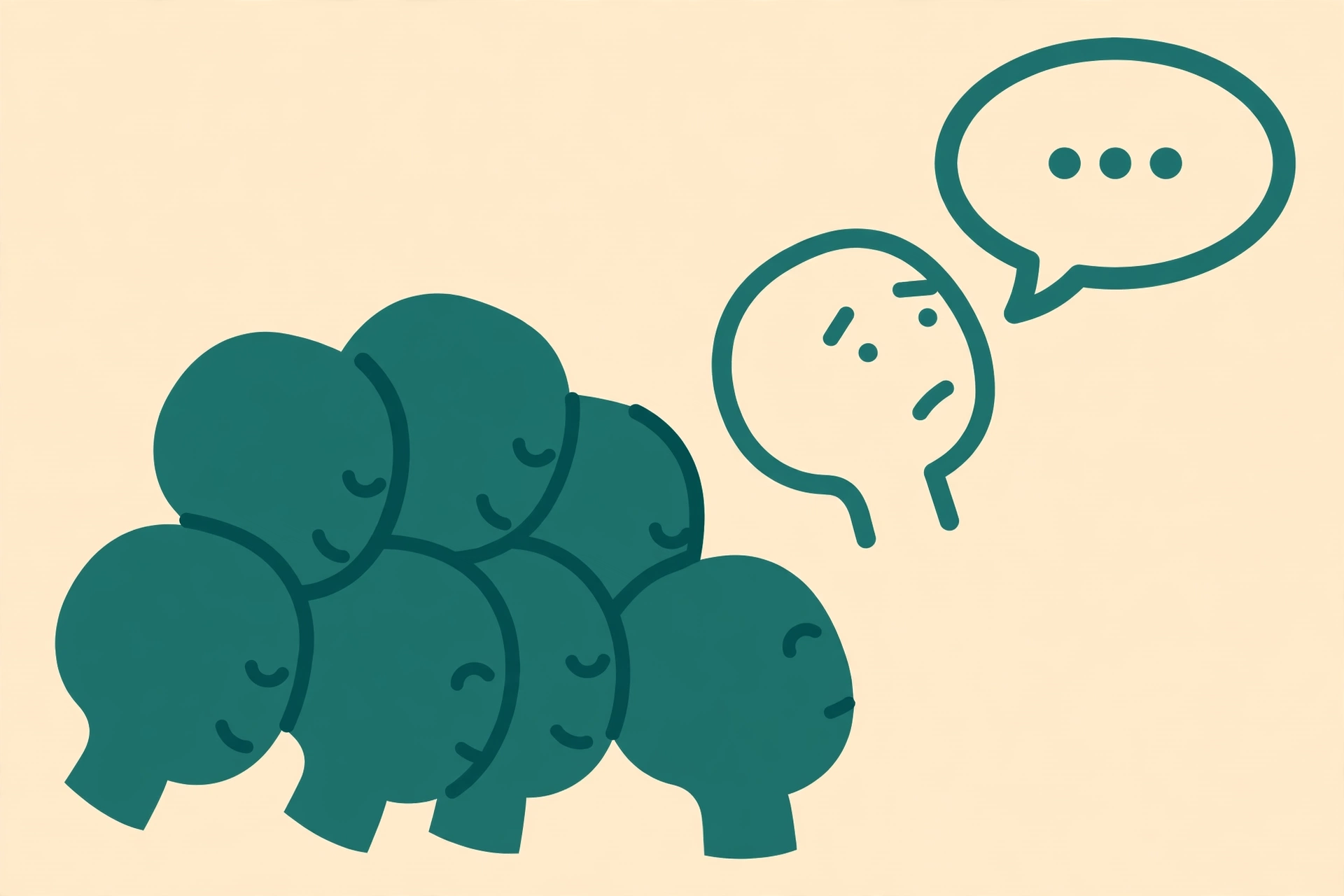
Illustration of what depression is: emptiness beyond sadness, explained with compassion

“Just cheer up.” “Think positive.” “Others have it worse.” If depression were sadness, these might work. But depression isn’t sadness — it’s emptiness. Not feeling too much, but feeling nothing. The color drains from everything you loved. This is the most misunderstood mental health condition — and understanding it correctly is the first step to … Read more

43. Emotional Intelligence: The Skill That Predicts Success

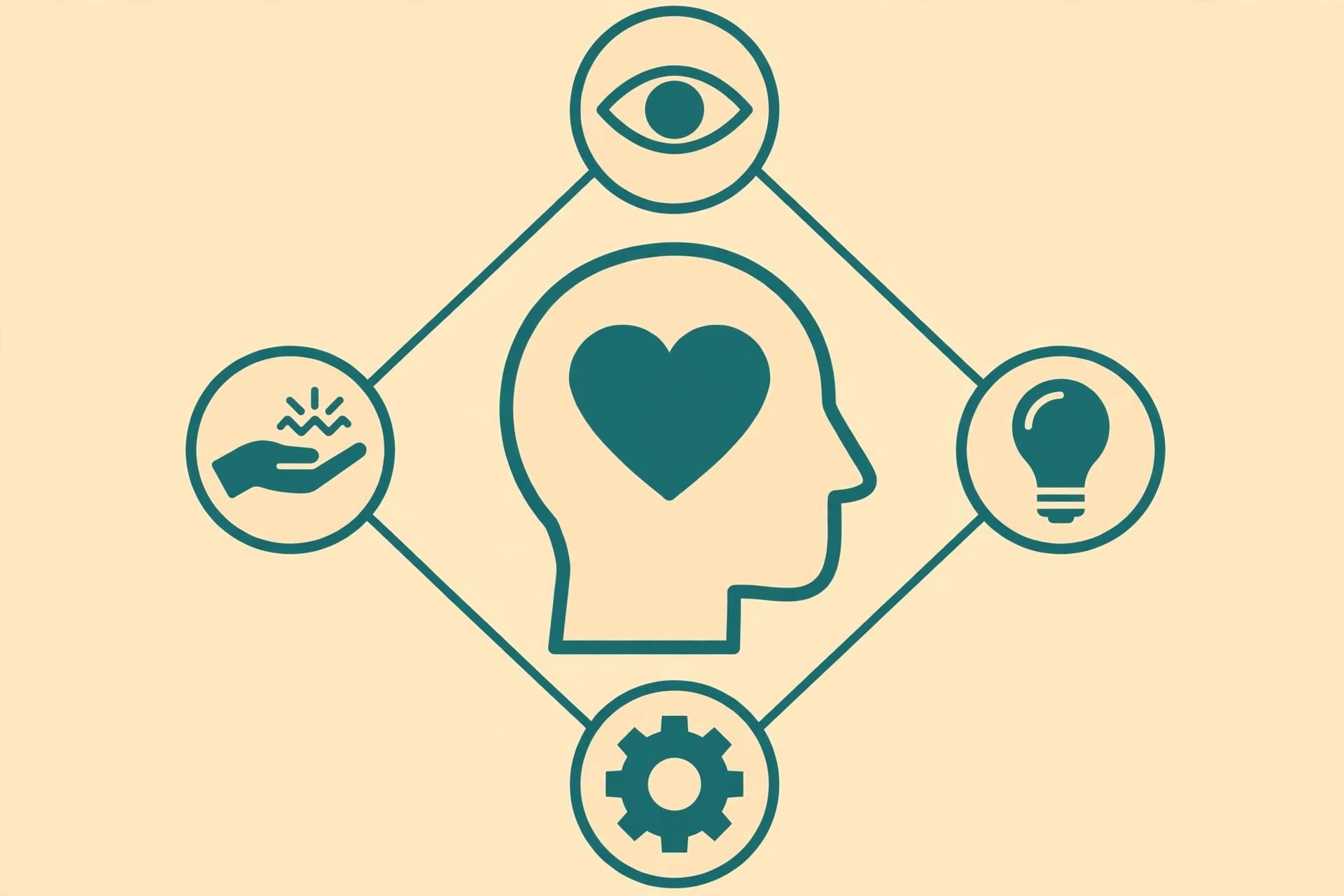
Illustration of emotional intelligence: a person reading emotions as clear signals on the faces around them

IQ gets you hired. EQ gets you promoted. The brilliant jerk stalls; the emotionally skilled rises. Emotional intelligence — understanding and managing emotions (yours and others’) — predicts leadership, relationships, and mental health better than IQ in many domains. And unlike IQ, it’s highly trainable. Here’s the framework. What it means in one sentence: Emotional … Read more

39. Stress vs. Anxiety vs. Worry: What’s the Difference?

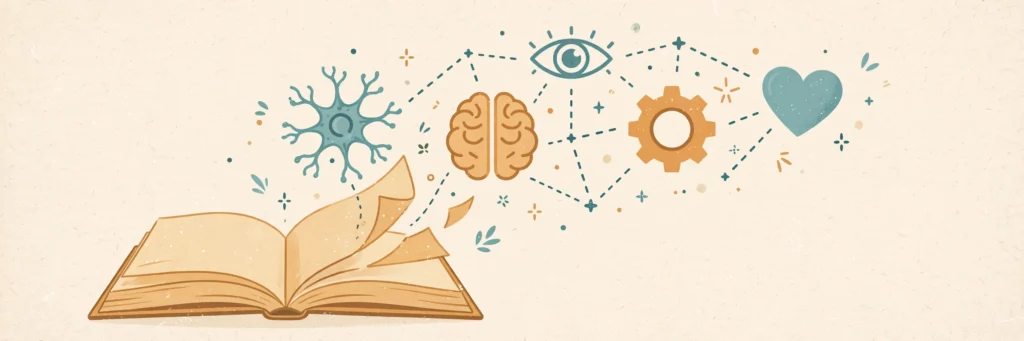
Illustration of stress vs anxiety vs worry: three distinct emotional weather patterns inside one mind

“I’m so stressed.” “I’m anxious.” “I can’t stop worrying.” We use these interchangeably — but psychologists don’t. They’re different systems, with different triggers, different treatments. Mixing them up means using the wrong fix. Here’s how to tell them apart — and what to do about each. What it means in one sentence: Stress is a … Read more

34. Groupthink: When Smart Groups Make Stupid Decisions

Illustration of groupthink: a group nodding along to a bad decision

The Bay of Pigs. The Challenger explosion. Countless corporate disasters. In each, brilliant people made obviously bad decisions — together. Not from stupidity. From groupthink: the psychological drive for consensus that overrides realistic appraisal. Smartest people in the room, collectively dumb. Here’s how it happens — and how to stop it in your groups. What … Read more

33. Persuasion: The Six Principles That Move People (Cialdini)

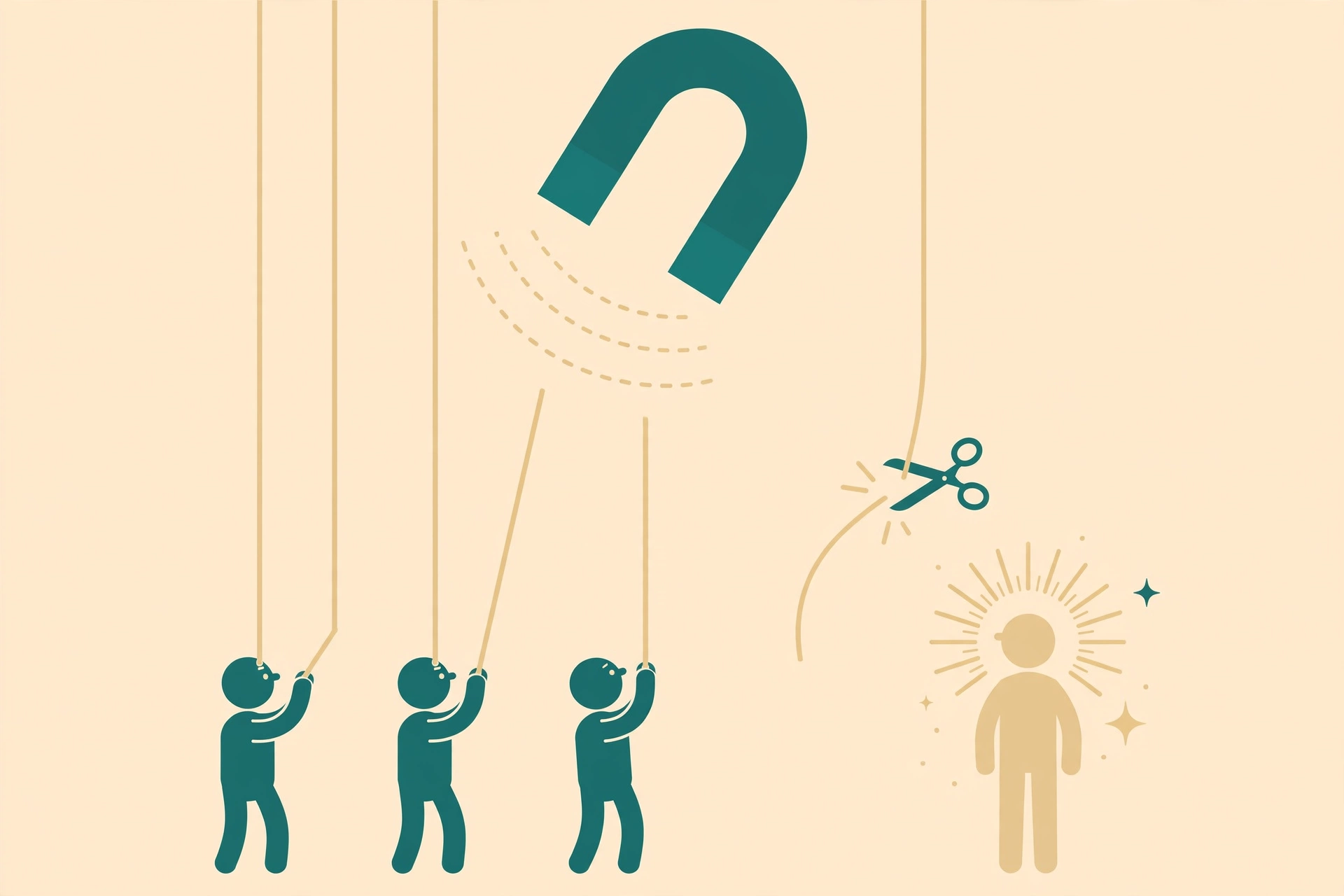
Illustration of Cialdini's 6 principles of persuasion: invisible social forces gently steering a person's decisions

A free sample. A “limited time” offer. A celebrity endorsement. A “9 out of 10 doctors” claim. You’ve been persuaded a thousand times this week — and most of it wasn’t logic. It was psychology: six principles so powerful they work across cultures, ages, and intelligence levels. Robert Cialdini spent years infiltrating sales organizations to … Read more

35. Stereotypes and Prejudice: Where Bias Comes From (And How to Fight It)

Illustration of stereotypes and prejudice: the brain sorting people into categories

You meet someone. In milliseconds — before a word — your brain has categorized: age, gender, race, status. And loaded assumptions. You’re not hateful. You’re human. Stereotypes are the brain’s filing system for people — efficient, automatic, and dangerously wrong. Understanding where they come from is the first step to overriding them. What it means … Read more

32. The Bystander Effect: Why Crowds Don’t Help

Illustration of the bystander effect: a crowd watching while nobody helps

A woman is attacked. Thirty-eight witnesses watch from windows. Nobody calls police. Nobody helps. This is the story — possibly exaggerated, but psychologically true — that launched 50 years of research into the bystander effect: the chilling paradox that the more people present, the less likely anyone helps. What it means in one sentence: The … Read more

31. Social Proof: Why We Copy What Everyone Else Is Doing

Illustration of social proof: choosing the crowded restaurant over the empty one

Two restaurants. One empty, one packed with a line. Better food? You pick packed — without tasting either. That’s social proof: if everyone’s doing it, must be right. Why you read reviews, follow trends, laugh harder full theater. Most exploited principle in marketing. What it means in one sentence: Social proof is using others’ behavior … Read more